The Best Independent Design Hotels in America
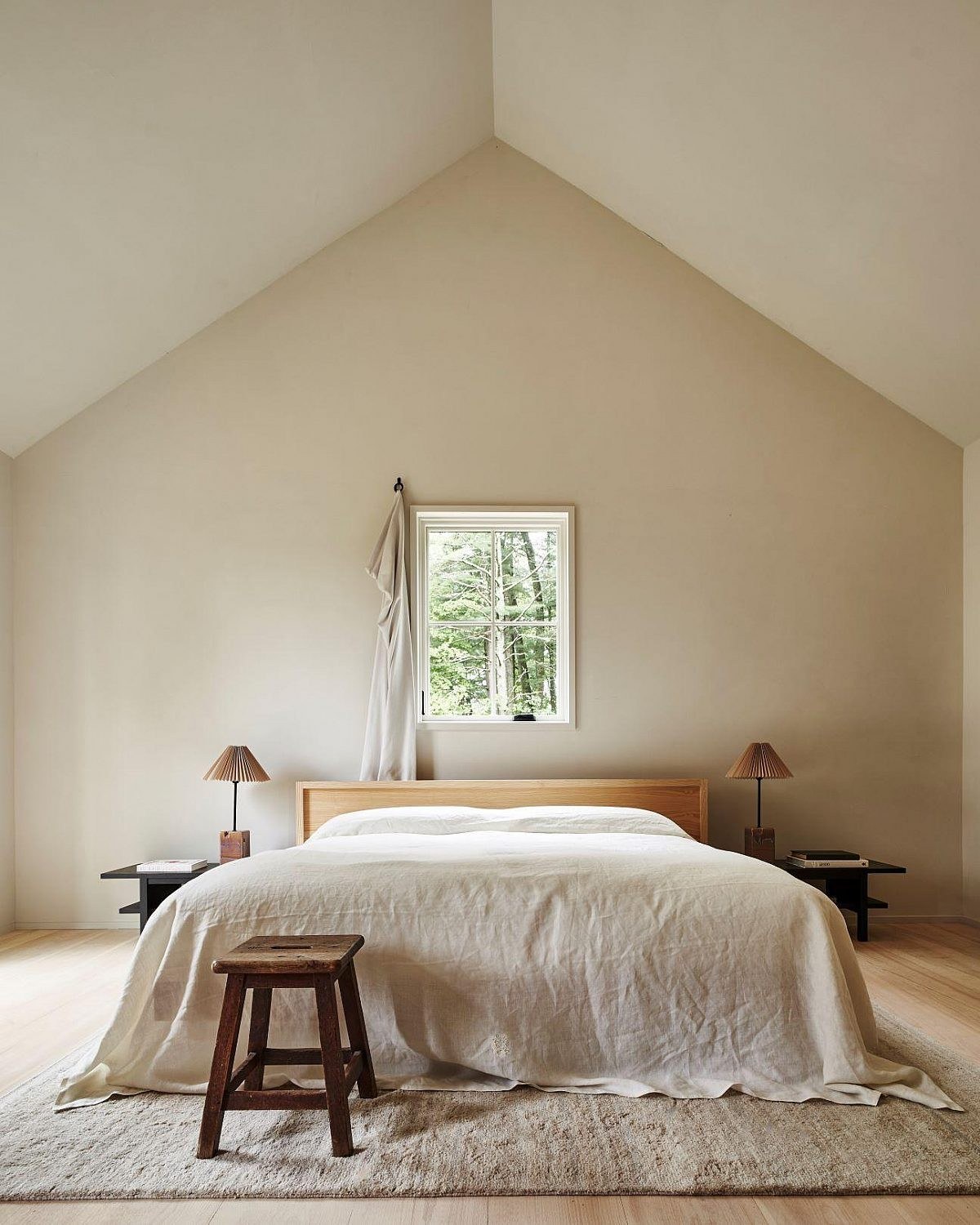
Design is the reason most people find Le Hotelist. It's also the sub-score that's hardest to fake — a hotel either answers to a real point of view or it doesn't, and after 471 of them you can tell in the first photo.
We score every independent hotel on design, 0 to 10. The full ranked list is here. This is the top of it, and a note on what the good ones have in common.
Related: see our newer guide on The Best Independent Hotels Under $250 a Night.
The design leaders
INNESS — Accord, NY. 225 acres where the design, the farming, and the dinner are the same project. The single highest Design score on our list. Not a hotel with a farm attached — a farm that built a hotel.
The Henson — Windham, NY. A 1918 hotel rebuilt by people who spent a decade making New York restaurants. Pine, lime-washed oak, wool, ceramics chosen rather than ordered. The highest overall score we've given anyone.
Post Ranch Inn — Big Sur, CA. Mickey Muennig's cliff-edge buildings, designed in the 1980s to disappear against the site. Thirty-nine rooms, two Michelin Keys, the architectural pilgrimage everyone else is measured against.
Zero George — Charleston, SC. Five restored 1804 townhouses around a courtyard, eighteen rooms, a cooking school, a Michelin Key. Charleston's historic-inn form, done at the highest level.
The Menhaden — Greenport, NY. Sixteen rooms a block from the harbor, a rooftop bar, a Michelin Key. The North Fork's only serious design hotel, and it didn't have to try hard to be — the competition is motels.
Camptown — Leeds, NY. New-build cabins from the Rivertown Lodge team. Proof that "adaptive reuse" isn't the only way to score high here — a blank site, in the right hands, works too.
Where architects actually stay
The pattern in the data: hotels built inside something else score higher on design than new-builds, on average. A schoolhouse, a steelworks, a fabric mill, a WWII hangar, a cinema. The building arrived with a story and a set of load-bearing walls, and the interesting work is what you do inside those constraints. We keep a separate list for the adaptive-reuse ones specifically.
The other pattern: the design leaders are rarely the quietest hotels. Design ambition usually means larger public spaces built to be used — a serious bar, a restaurant, a lobby that's actually a room. That's a livelier hotel. If you want both, the list is short.
A note on new-builds
The adaptive-reuse hotels win on average, but the best new-builds are right there with them. Camptown and Piaule both score at the top, and both were built from nothing on empty land. What they have in common is a single owner or team with a specific vision and the discipline to hold to it — Piaule's grid of glass-and-timber cabins, Camptown's Rivertown-Lodge sensibility scaled up. The failure mode of a new-build isn't the format; it's a committee, a broad brief, and a budget that runs out before the details.
So the rule isn't "old building good, new building bad." It's that a strong constraint — a load-bearing wall you can't move, or a designer who won't compromise — tends to produce something more specific than a blank page does.
Not for
A design hotel is a bad fit if you came for resort amenities, a kids' club, or a room you'll barely see. These are hotels where the room and the building are the experience. Book accordingly.
The full ranked list — best independent design hotels → · Or tell us what you're after →