Industrial Reuse.
Industrial Reuse is a niche but memorable category — hotels that preserve the exoskeleton of a factory, mill, or industrial structure. The Roundhouse in Beacon is the Hudson Valley example, built inside an old fabric mill directly above Beacon Falls. The appeal is structural honesty: you sleep in a space that wasn't designed to be slept in, and the conversion works because the original bones were already beautiful.
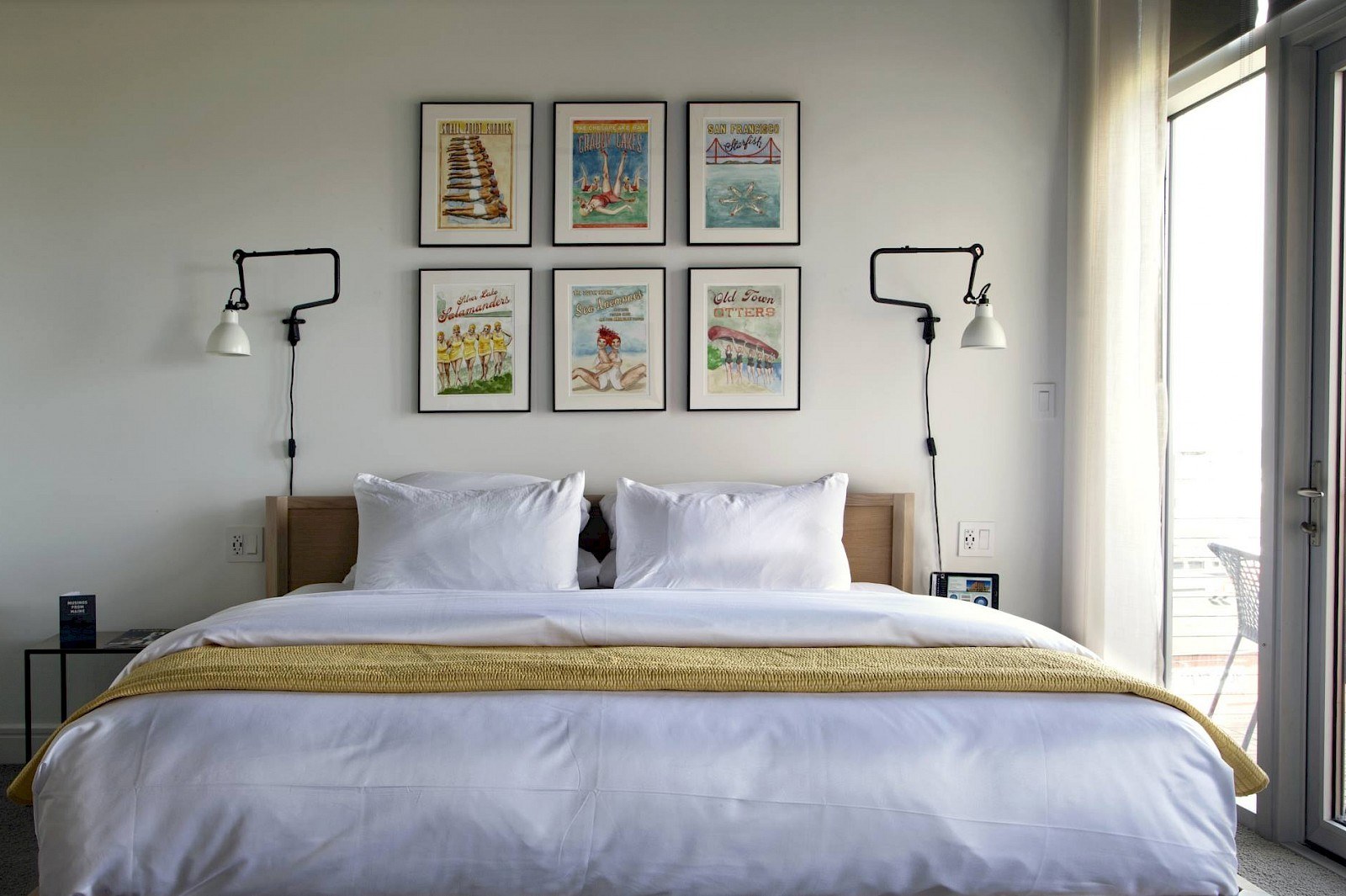
250 Main Hotel
A modernist boutique in the Rockland art district — 26 rooms, Farnsworth Museum across the street.
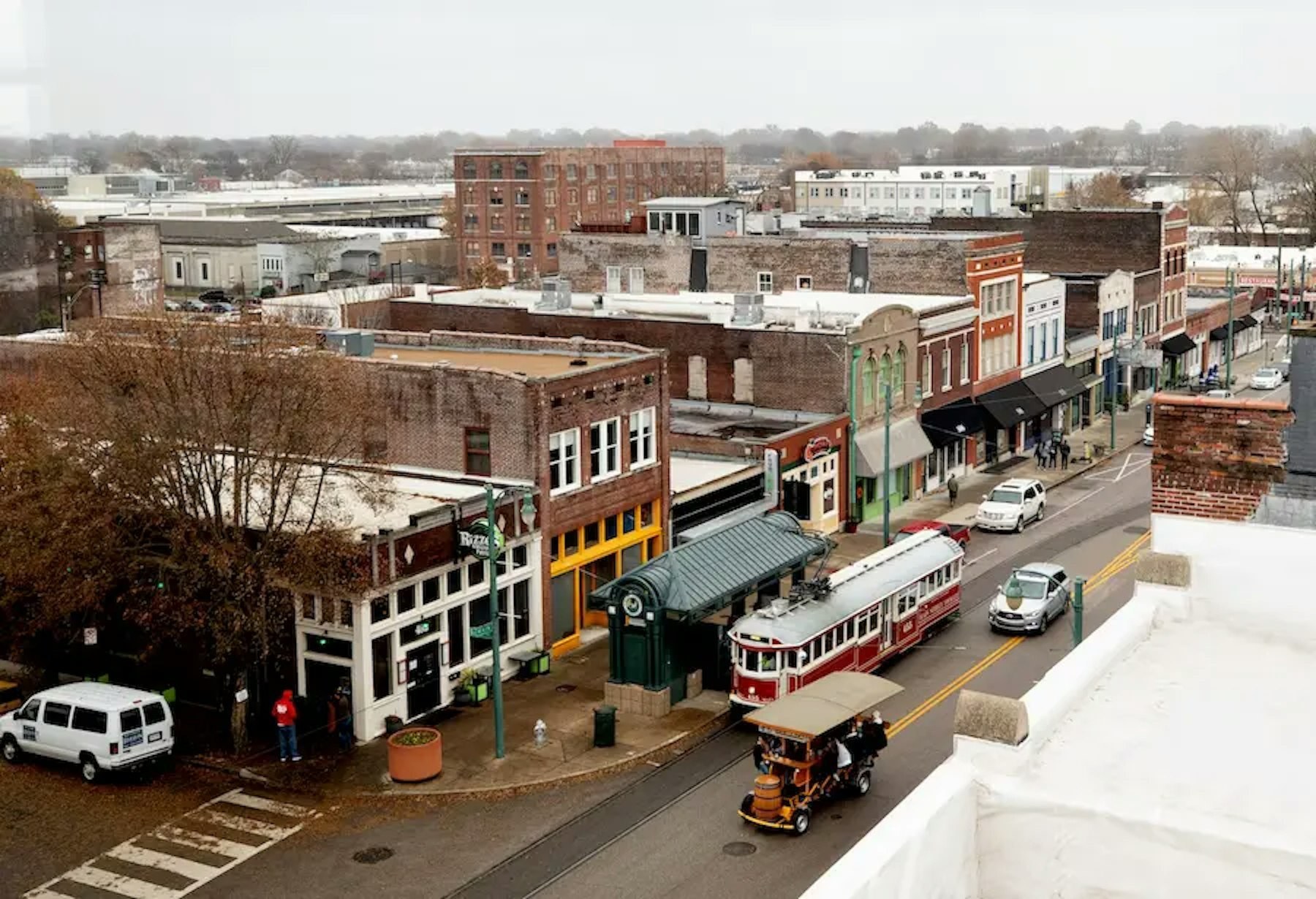
ARRIVE Wilmington
A 1956 motor-lodge-turned-boutique — 56 rooms, rooftop pool-bar, design-forward downtown.
Cannery Pier Hotel & Spa
Built out over the Columbia River on the pilings of a 1900s fish cannery — every room watches the ships and the bar pilots cross the bar.
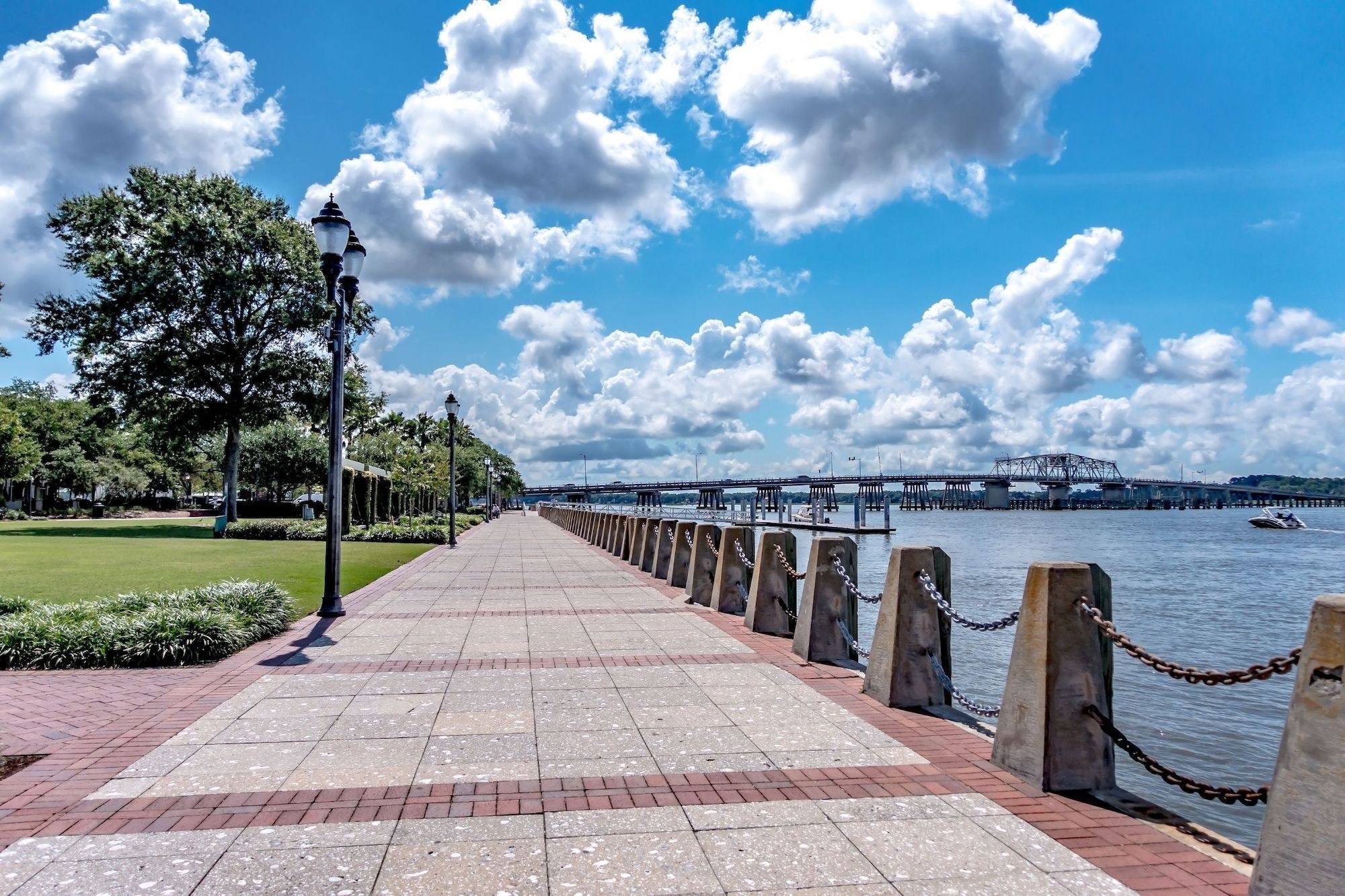
City Loft Hotel
Beaufort's design hotel — 22 mid-century-modern rooms in a converted 1960s motor court.
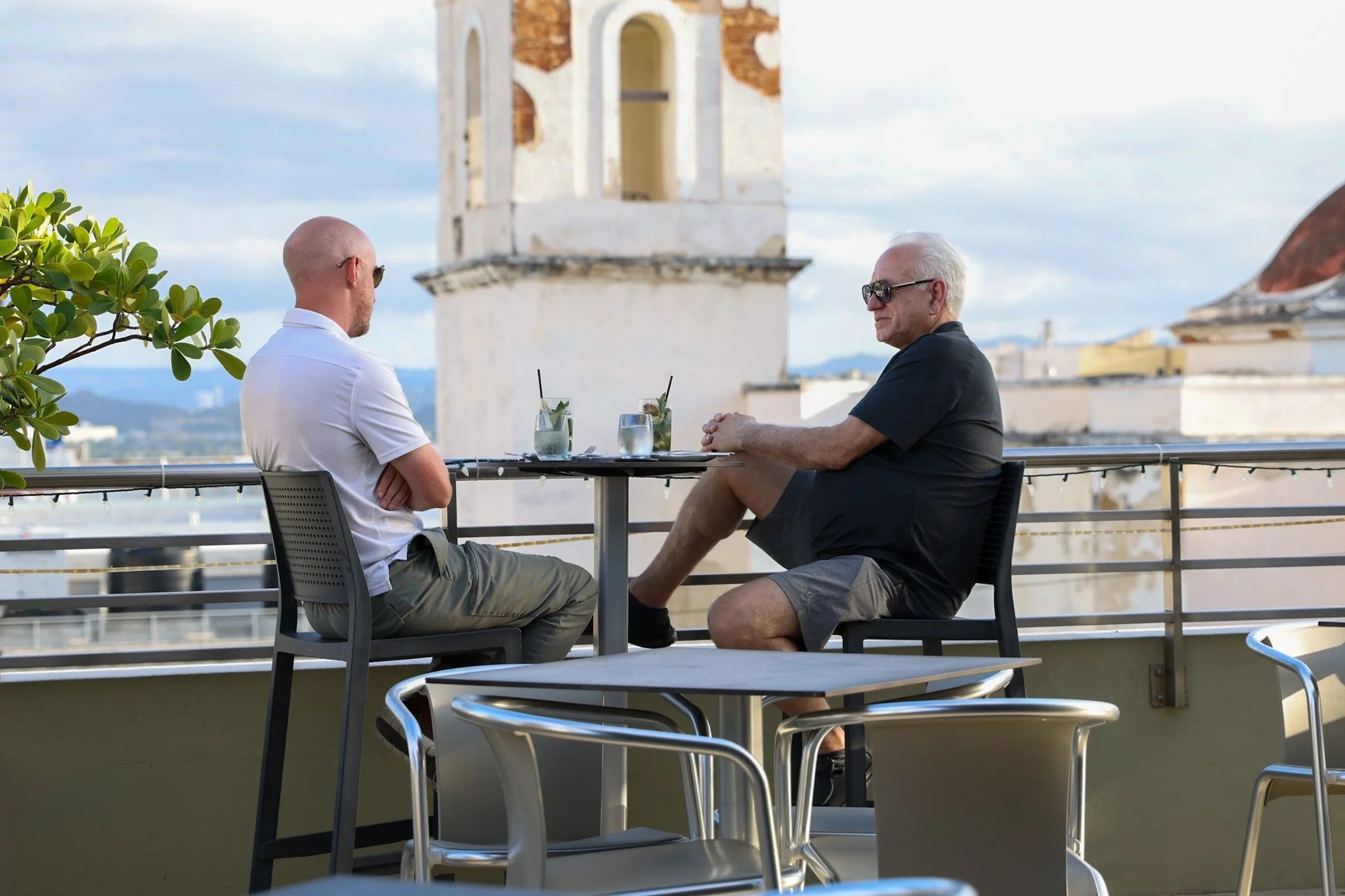
Decanter Hotel
A 1850s Old San Juan colonial-house boutique — 22 design-forward rooms, on-site wine bar.
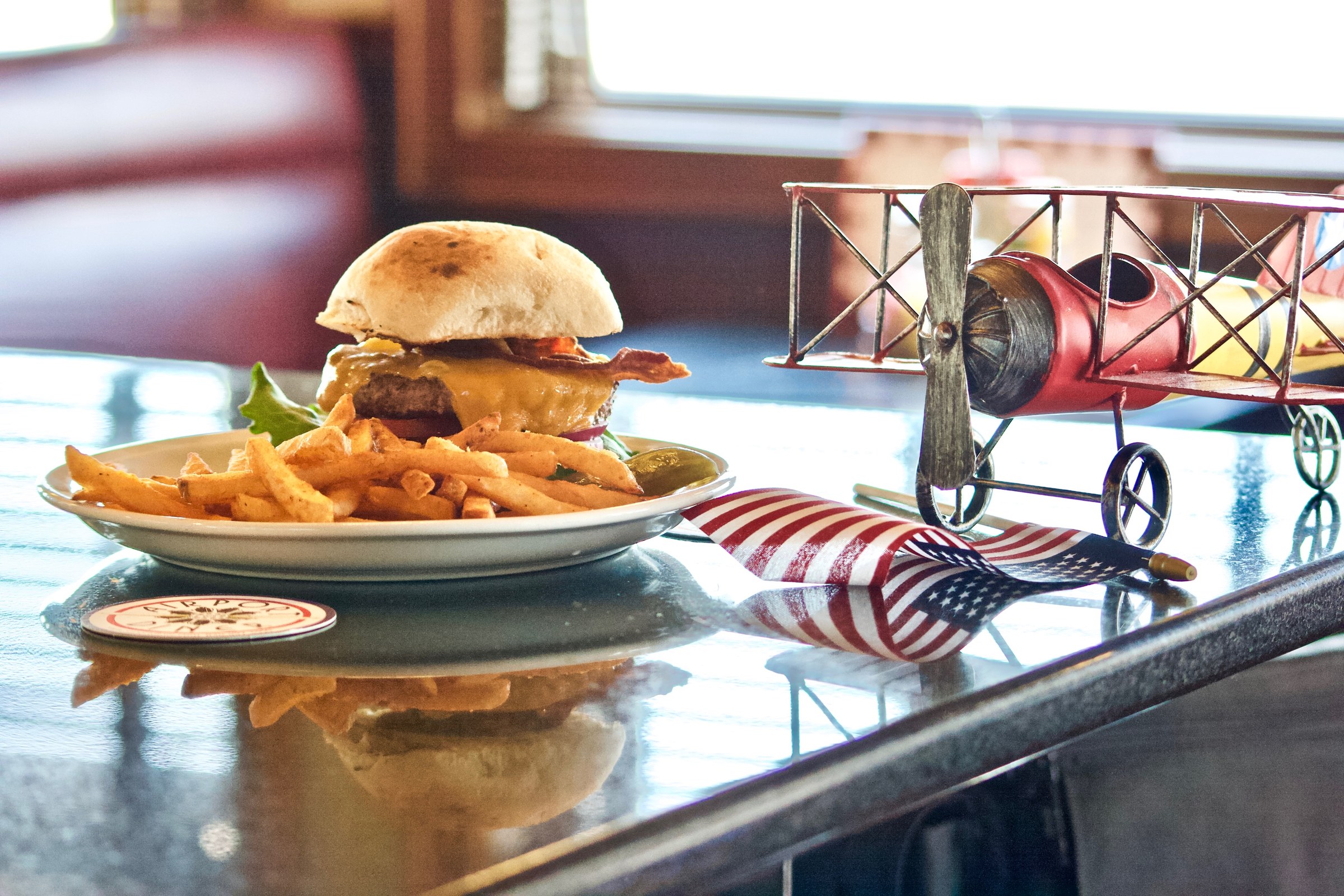
Hangar Hotel
A WWII-era airfield hangar reimagined — 50 art-deco rooms, Officers' Club bar, runway-side balconies.
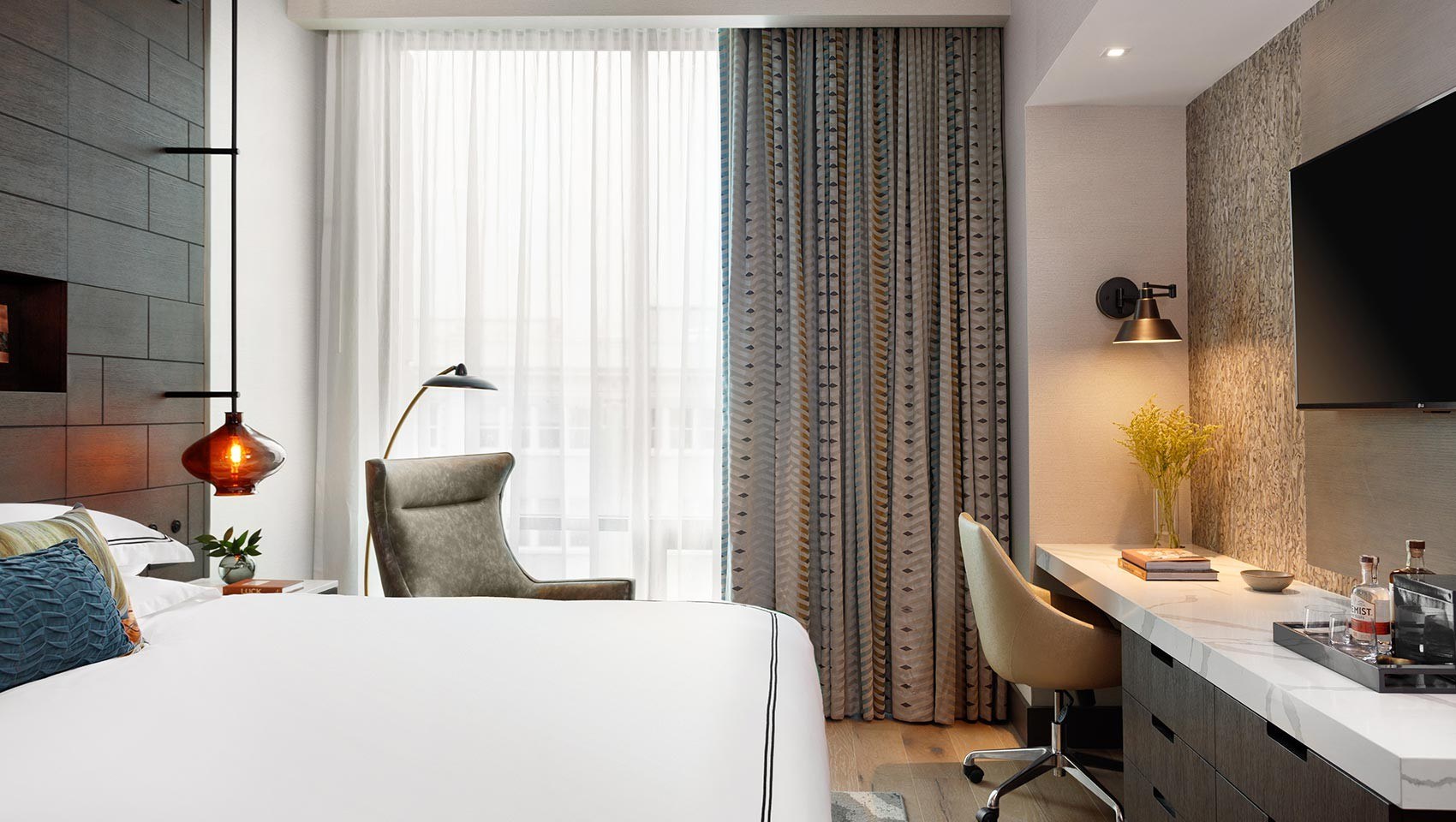
Hotel Arras
The 1965 BB&T tower reimagined — tallest building downtown, Bargello restaurant, James Beard-caliber chef.
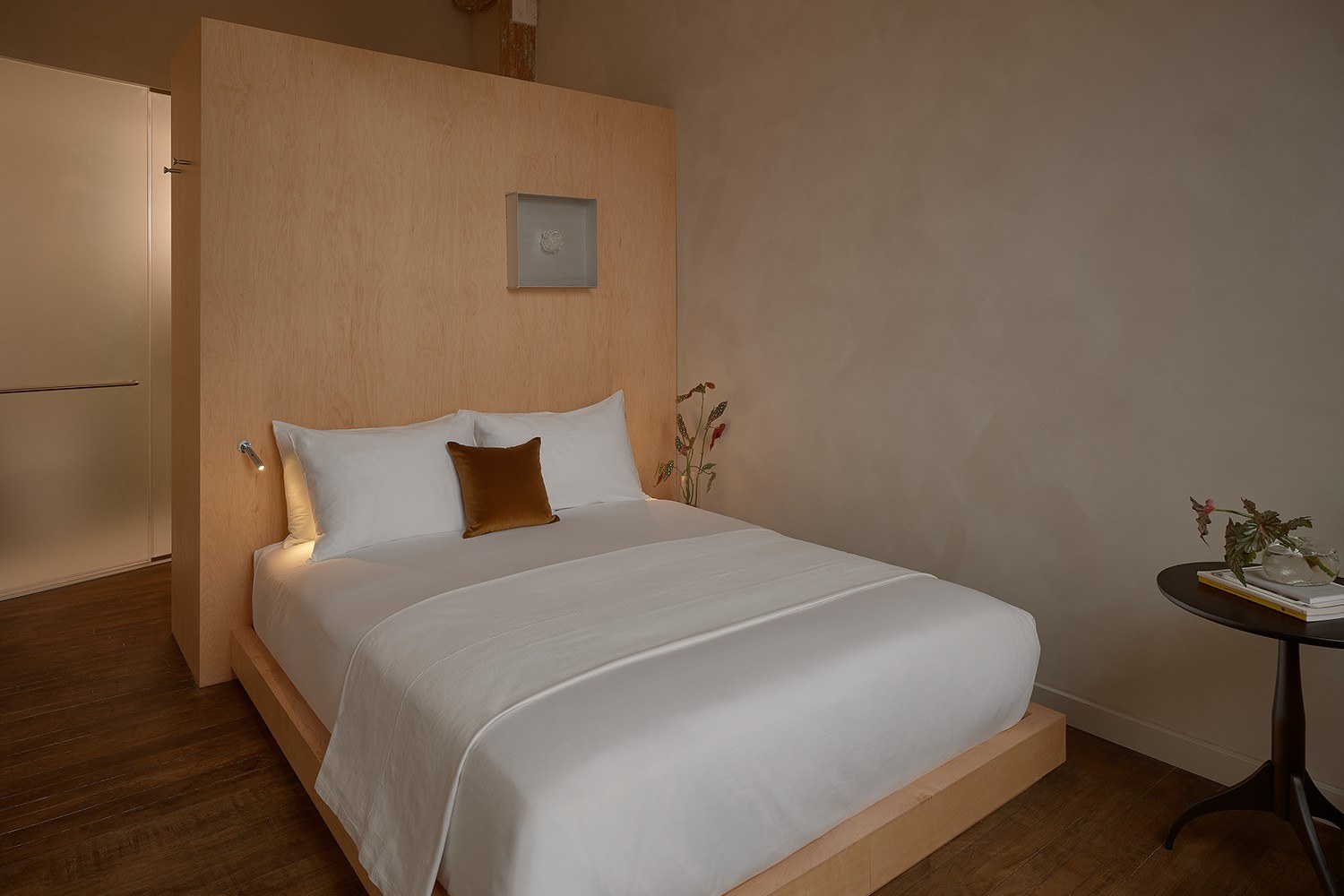
Pocketbook Hotel & Baths
2025. A 1890s pocketbook factory rebuilt by Charlap Hyman & Herrero. The baths are the reason.
Roosevelt Inn
A 1906 schoolhouse converted to 15 themed rooms — walking distance to the lake.
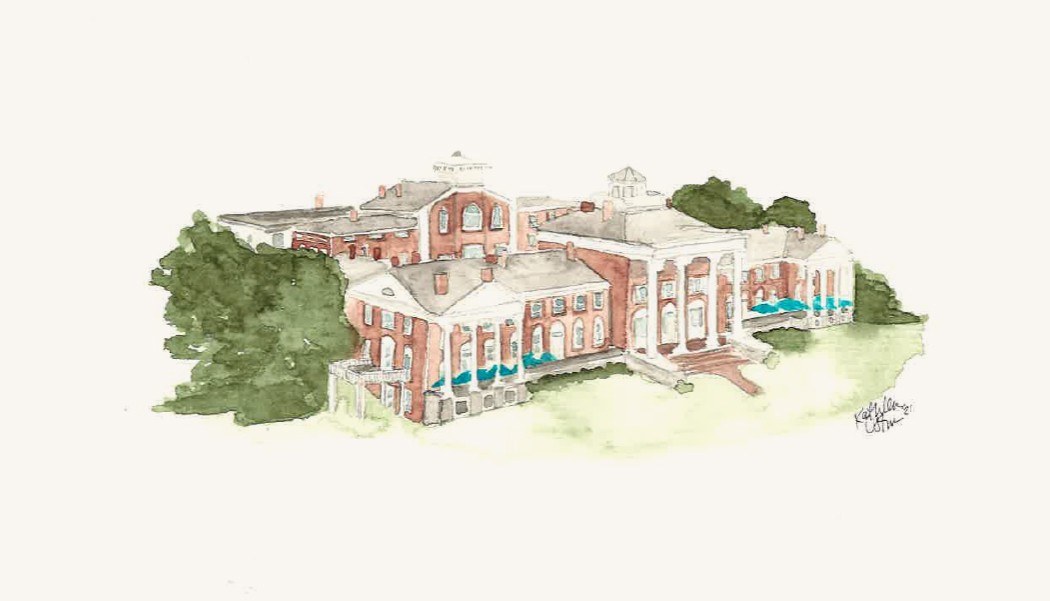
The Blackburn Inn
A Thomas Blackburn Greek Revival from 1828 — meticulously restored, rolling grounds, minimal design.
The Foundry Hotel
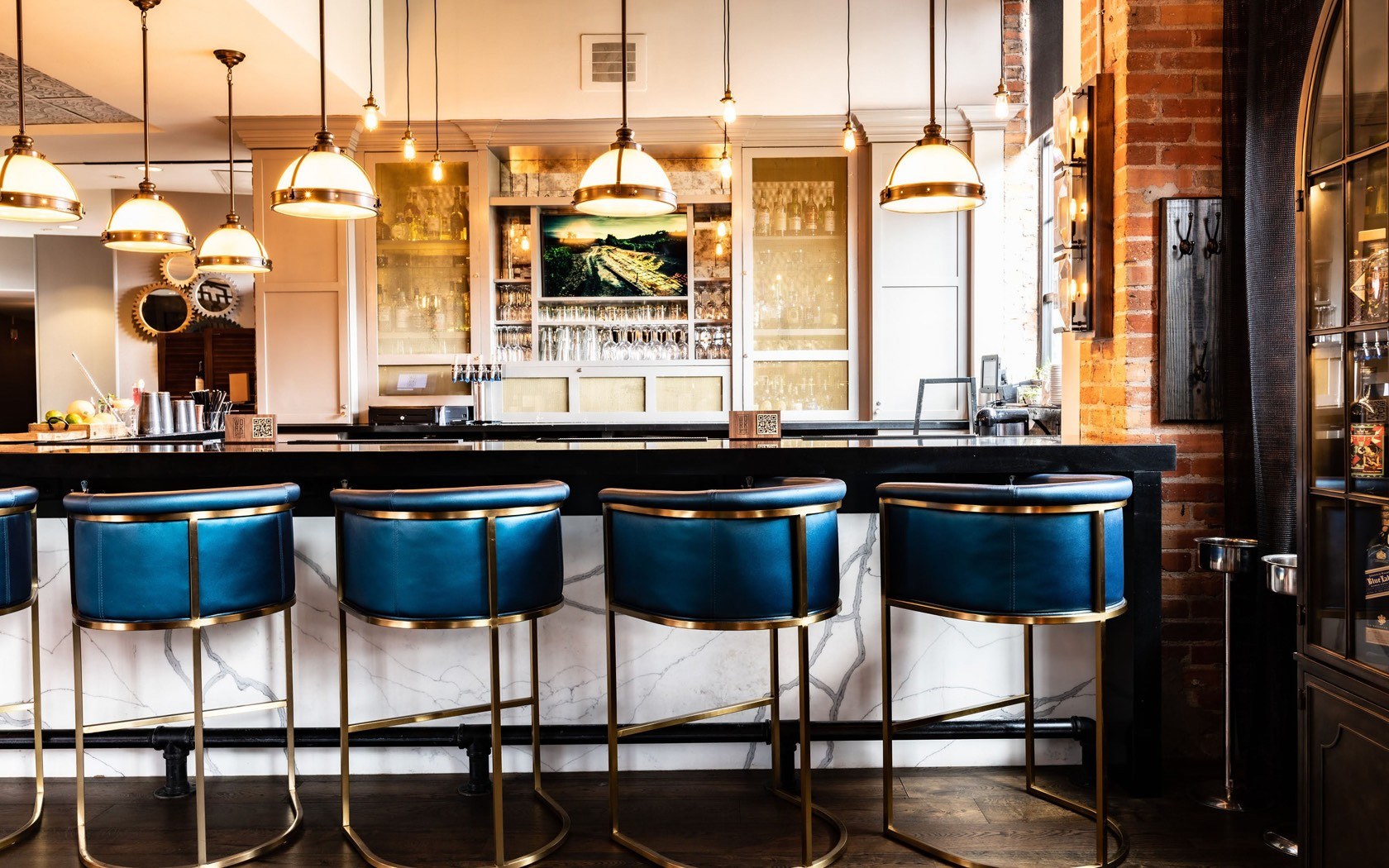
The Biltmore Estate's original 1920s steelworks, restored — Benne on Eagle restaurant, Block neighborhood.
The Lincoln Hotel
A brick mill on the Saco River, reborn as the anchor of Biddeford's mill-town comeback — thirty-three rooms, a rooftop bar.
The Restoration Asheville
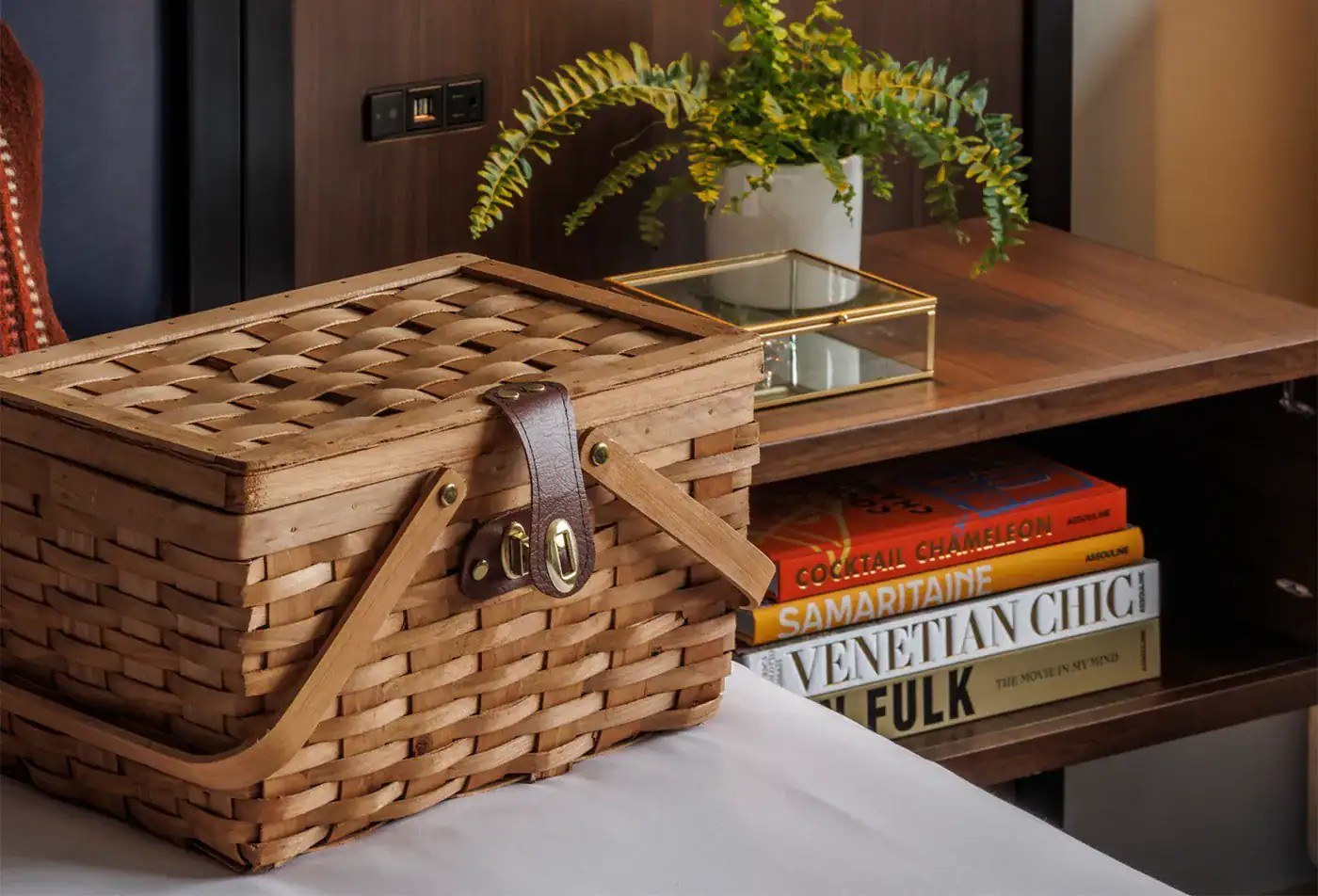
Bryan Batt-designed — maximalist interiors, rooftop bar, Grand Bohemian-adjacent but independent.
The Roundhouse
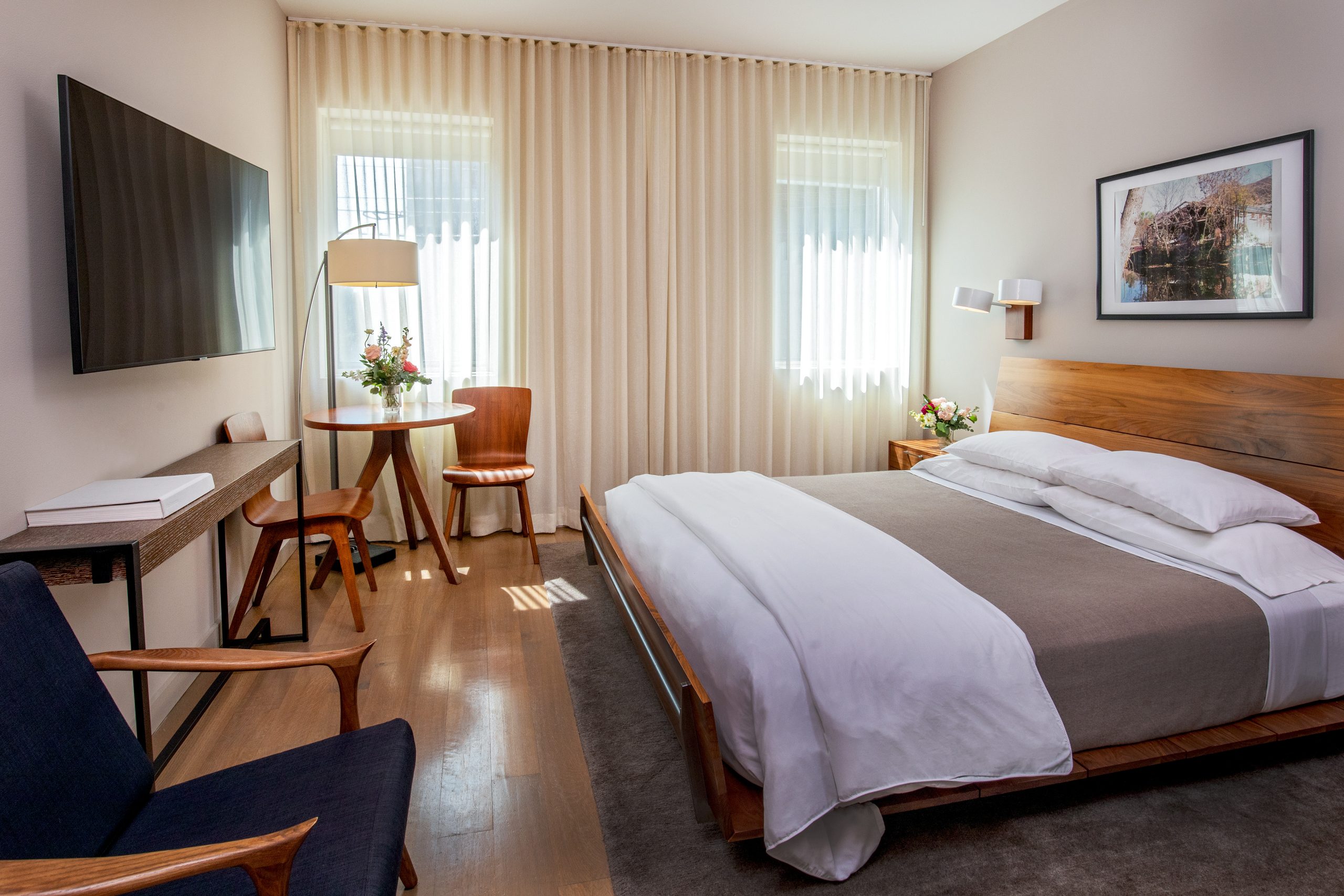
Built inside the exoskeleton of an old Beacon fabric mill, over a waterfall.
The Society Hotel Bingen
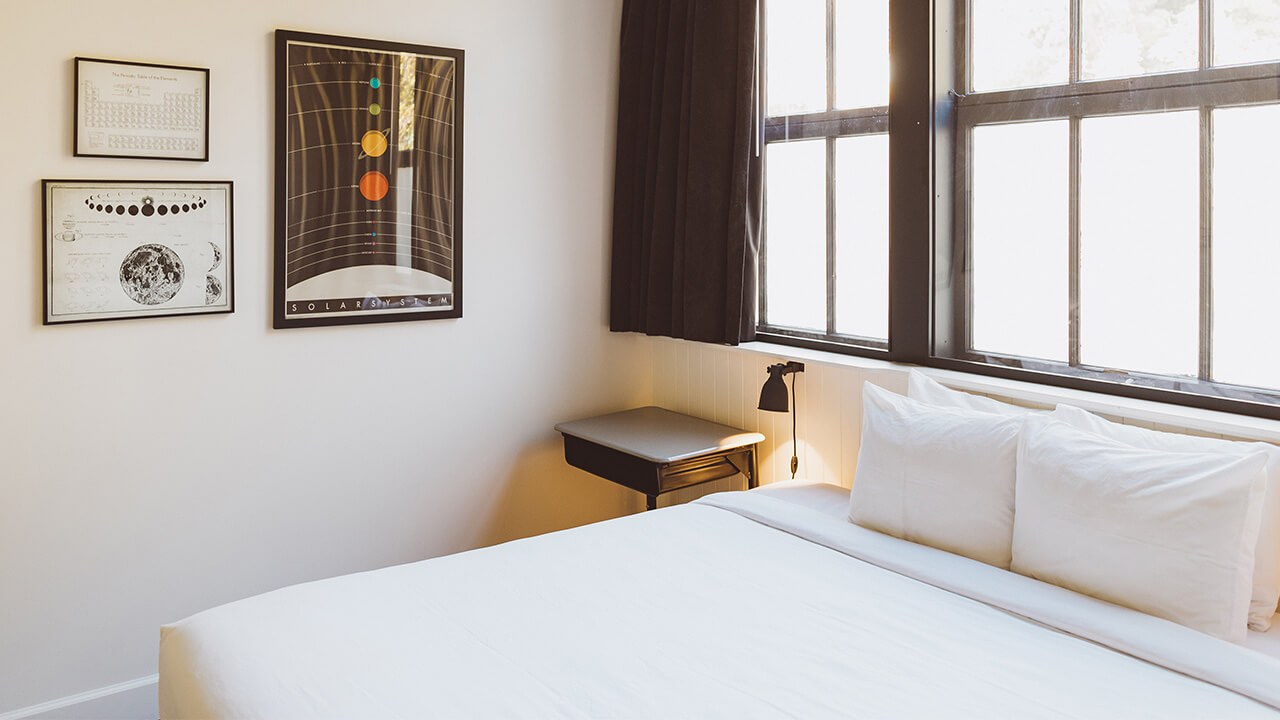
A 1908 schoolhouse converted with cabins and a Japanese-style bathhouse — Columbia Gorge spa-hotel.
Washington School House
An 1889 Victorian schoolhouse converted to 12 rooms — Forbes 5-star, slope-side service.
Industrial Reuse is a niche but memorable category — hotels that preserve the exoskeleton of a factory, mill, schoolhouse, or church. The Roundhouse in Beacon is the Hudson Valley reference, built inside an old fabric mill directly above Beacon Falls. The appeal is structural honesty: you sleep in a space that wasn't designed to be slept in, and the conversion works because the original bones were already beautiful.
What this looks like
The building tells you what it used to be. Brick, steel trusses, factory glass, exposed concrete columns, schoolhouse hallways still recognizably schoolhouse. Ceilings are tall. Windows are larger than residential code would have allowed. Original signage is often kept — milling-company nameplates, dedication plaques, fire-escape numbers painted on doors. The conversion preserves the readability of the structure, then adds the things it didn't have: insulation, plumbing, soundproofing, a bar.
Room layouts are unusual — corner rooms with three windows, bathrooms tucked under a former mezzanine, suites that occupy a former classroom. Hardware tends industrial: matte black, exposed conduit, vintage-style filament bulbs that haven't been replaced by LEDs as quickly as in other categories. The aesthetic is more architectural than decorative.
The standouts
- The Roundhouse (Beacon, NY) — built inside an old fabric mill above Beacon Falls. The Hudson Valley reference.
- The Line DC (Washington, DC) — a 1912 church in Adams Morgan with organ pipes and vaulted ceilings intact.
- The Foundry Hotel (Asheville, NC) — the Biltmore Estate's original 1920s steelworks, restored with Benne on Eagle on site.
- The Society Hotel Bingen (Bingen, WA) — a 1908 schoolhouse with cabins and a Japanese-style bathhouse, in the Columbia Gorge.
- The Blackburn Inn (Staunton, VA) — an 1828 Greek Revival meticulously restored with minimal design.
- Washington School House (Park City, UT) — an 1889 Victorian schoolhouse converted to 12 rooms. Forbes 5-star, slope-side service.
- Roosevelt Inn (Coeur d'Alene, ID) — a 1906 schoolhouse converted to 15 themed rooms.
- ARRIVE Wilmington (Wilmington, NC) — a 1956 motor-lodge-turned-boutique with rooftop bar.
Who it's for
Travelers who notice buildings. Architects, designers, and the architecture-curious. Couples on weekends who want the room to be the conversation rather than the view. Solo travelers who appreciate good lobbies — these properties tend to have public spaces with serious volume, which makes a hotel bar feel like a real place rather than an afterthought.
Who'd hate it: anyone who finds exposed brick and ductwork tiring. The look has been over-used in mid-tier urban hotels, and not every guest will distinguish a careful adaptive reuse from a cheap one. These properties read better in person than in photos — the volume, the light, the patina don't compress well.
When to come
Year-round at most properties. Industrial Reuse hotels tend to sit in towns or near them, which makes them less weather-dependent than the country estates and farmhouses. Winter works because the bones look good in low light. Summer works because the windows do.
Adjacent origins
Industrial Reuse overlaps with Architectural Minimalist as a vibe (The Line DC, The Blackburn Inn). It's distinct from New-Build Contemporary — same architectural rigor, opposite relationship to history. Schoolhouse conversions sit on a tight Venn-overlap with Historic Inn / Boarding House (the buildings are old, just not original-purpose hospitality).