Myrtle Beach.
Myrtle Beach the hotel market is 95% chain and timeshare — this page doesn't pretend otherwise. What we include: the historic holdouts (The Breakers in its original form pre-renovation, the Grande Cayman Resort's independently-owned era), and the quieter inns south of the strip — Pawleys Island plantations, Georgetown B&Bs, Litchfield Beach's handful of non-chain rentals. The real low-country boutique scene sits between here and Charleston.
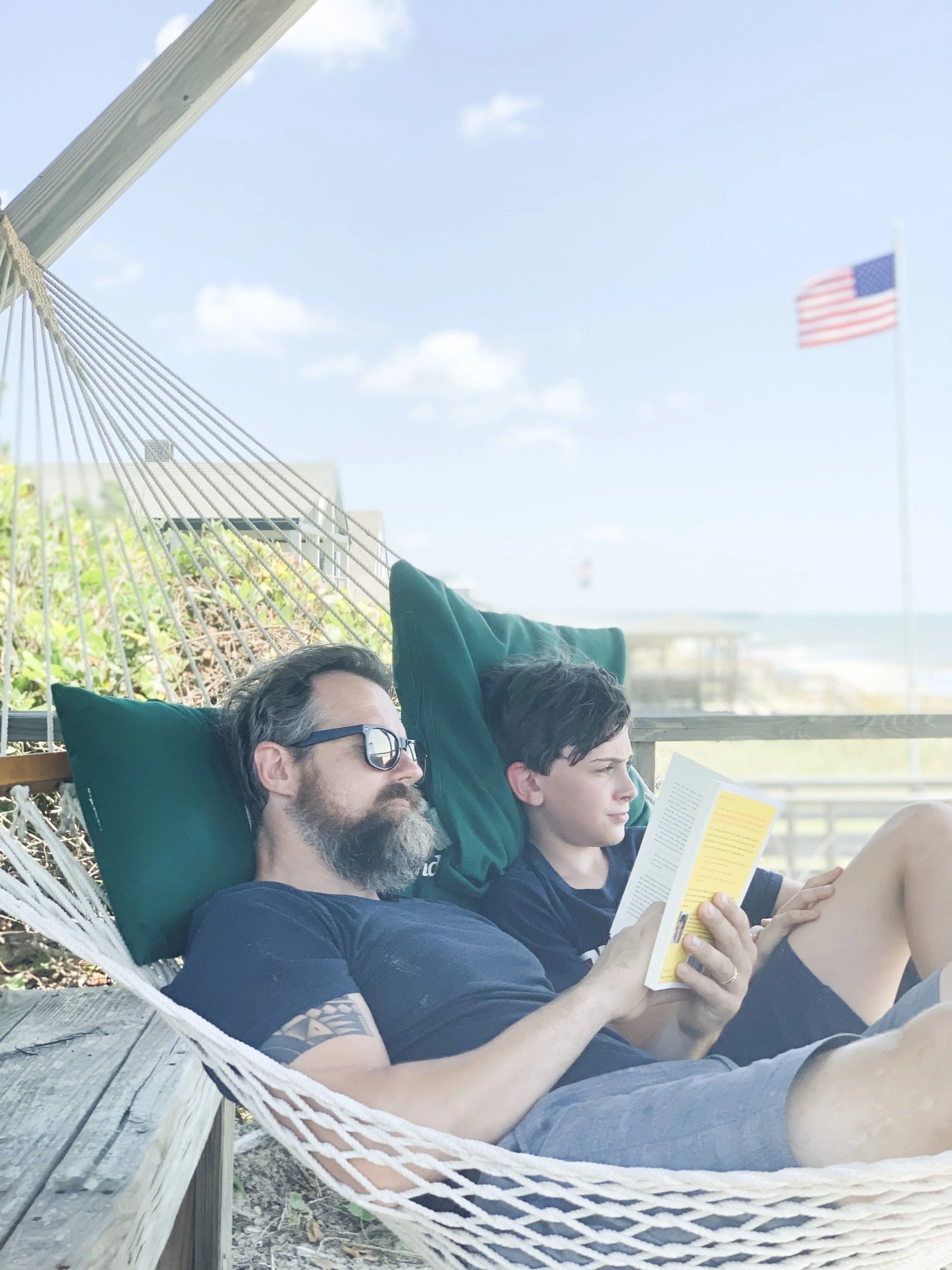
The Pelican Inn
An 1858 beachfront cottage on Pawleys Island — eight rooms, rocking-chair porch, no TVs.
Litchfield Plantation
A 1750 plantation manor on 600 acres — 38 rooms in the manor, the gatehouse, and beach villas.
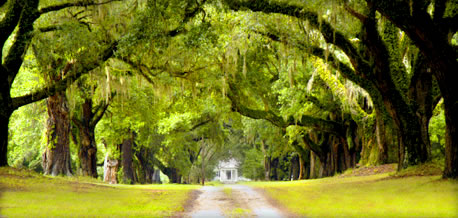
Mansfield Plantation
A 1718 rice plantation on 900 acres — eight rooms in the original main house and kitchen.
Myrtle Beach is roughly 95% chain hotels and timeshare towers — sixty miles of Grand Strand high-rises north of Charleston, the kind of beach market the boutique-inn category has mostly skipped. This page doesn't pretend otherwise. What we list is the small set of historic and independent properties south of the strip — Pawleys Island plantations, Georgetown lowcountry inns, and the few surviving non-chain rentals on the quieter end of the coast.
What this looks like
The Grand Strand runs from North Myrtle Beach south through Myrtle Beach proper, Garden City, Murrells Inlet, Litchfield, Pawleys Island, and into Georgetown — about sixty miles end to end. Myrtle Beach itself is the high-rise core: Ocean Boulevard, Broadway at the Beach, the SkyWheel, the boardwalk. South of Murrells Inlet the development thins. Pawleys Island is a four-mile barrier island reachable by two causeways, residential, with a strict no-high-rise tradition that goes back generations. Georgetown is fifteen miles further south, an actual historic port town on Winyah Bay with a working waterfront. From Charleston it's seventy-five minutes north on Highway 17; from Wilmington, NC, two hours south. The lowcountry rice-plantation belt sits inland, with Hampton Plantation and Hopsewee on Highway 17.
The standouts
- The Pelican Inn — an 1858 beachfront cottage on Pawleys Island. Eight rooms, rocking-chair porch.
- Litchfield Plantation — a 1750 plantation manor on 600 acres. 38 rooms in the manor, the gatehouse, and the guest cottages.
- Mansfield Plantation — a 1718 rice plantation on 900 acres. Eight rooms in the original main house and outbuildings.
The independent inn count for the broader Grand Strand is genuinely thin — three properties on our list, all south of Myrtle Beach proper. The Myrtle Beach core is a chain-hotel and timeshare market and we don't list either category. If you want boutique lodging on this stretch of coast, you go south to Pawleys or Georgetown, or you keep driving to Charleston.
When to come / who it's for
Spring (April-May) and fall (September-October) are the windows. Summer (June-August) is the hot, humid, busy peak — the chain side of the market is full and the few independents fill with it. April-May has water still cool but air warm and the spring-break wave gone. October is the local pick: water still 70 degrees, hurricane season tapering, oyster season starting in Murrells Inlet. Pawleys and Georgetown reward two to three nights, especially if you're a golfer (the Strand has 60+ courses) or a fisherman. Best for couples and slower-paced family trips. Travelers looking for the high-energy boardwalk Myrtle should stay on the Strand — but again, that's not what this list covers.
Nearby / what else
Brookgreen Gardens — 9,100 acres of sculpture gardens and lowcountry preserve south of Murrells Inlet, the largest outdoor sculpture collection in America. Huntington Beach State Park, across the highway from Brookgreen. Pawleys Island's hammock shops on the causeway. Georgetown's Front Street and the Rice Museum. The Murrells Inlet MarshWalk for sunset and oysters. For food: Frank's and Frank's Outback in Pawleys, Lee's Inlet Kitchen in Murrells Inlet, the River Room in Georgetown.