Mendocino.
Mendocino looks like a fishing village in coastal Maine got airlifted to California — same Cape Cod-cluster shingle architecture, same B&B inventory. The independent core: Brewery Gulch Inn, MacCallum House (1882), the Stanford Inn (a longtime eco-resort), the Inn at Schoolhouse Creek. The Stanford-Heritage House drama is over and the latter is now part of a small group, so it's edge-case.
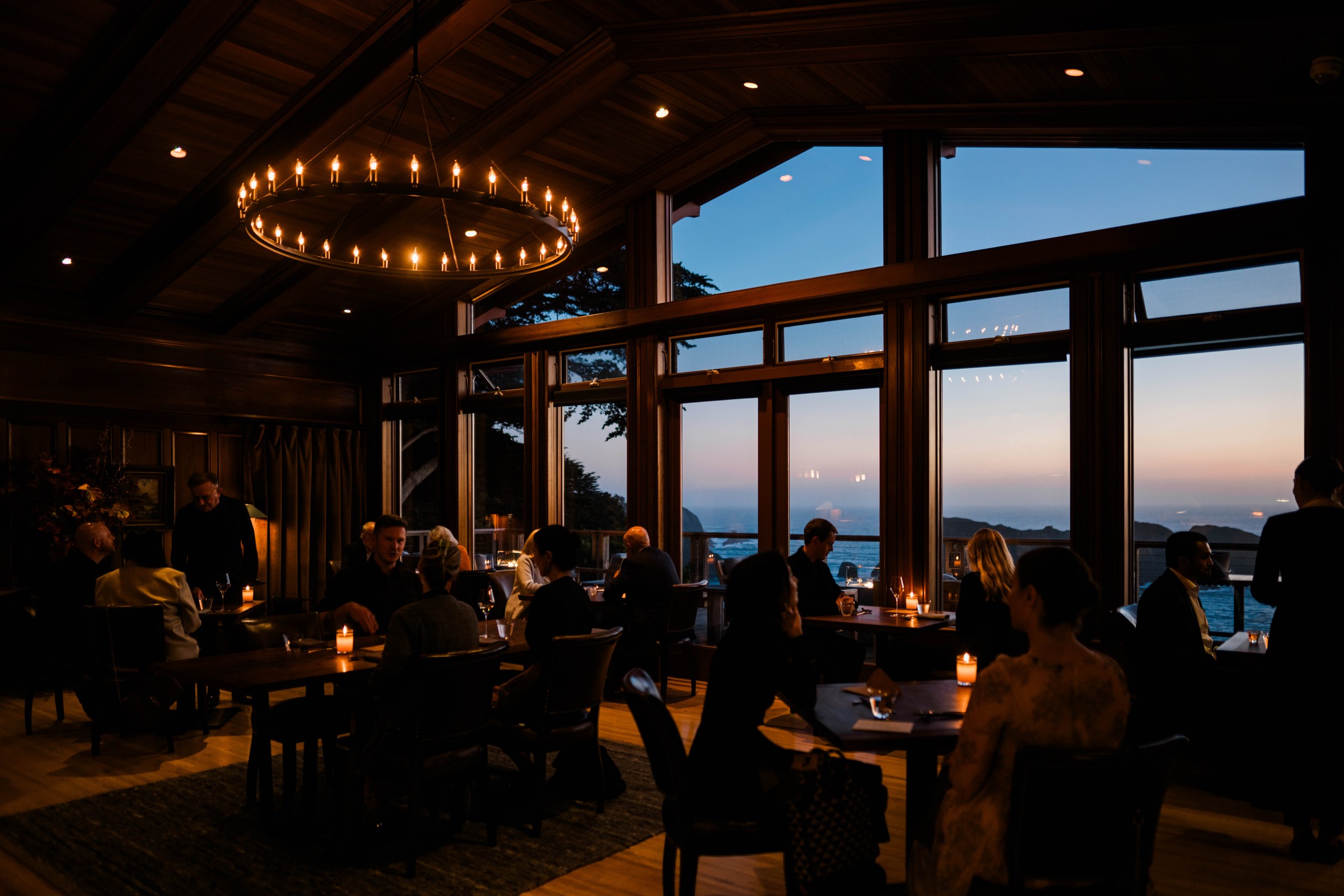
Harbor House Inn
A 1916 redwood-built oceanfront inn — 11 rooms, Two-Michelin-Star restaurant, Forbes 5-star.
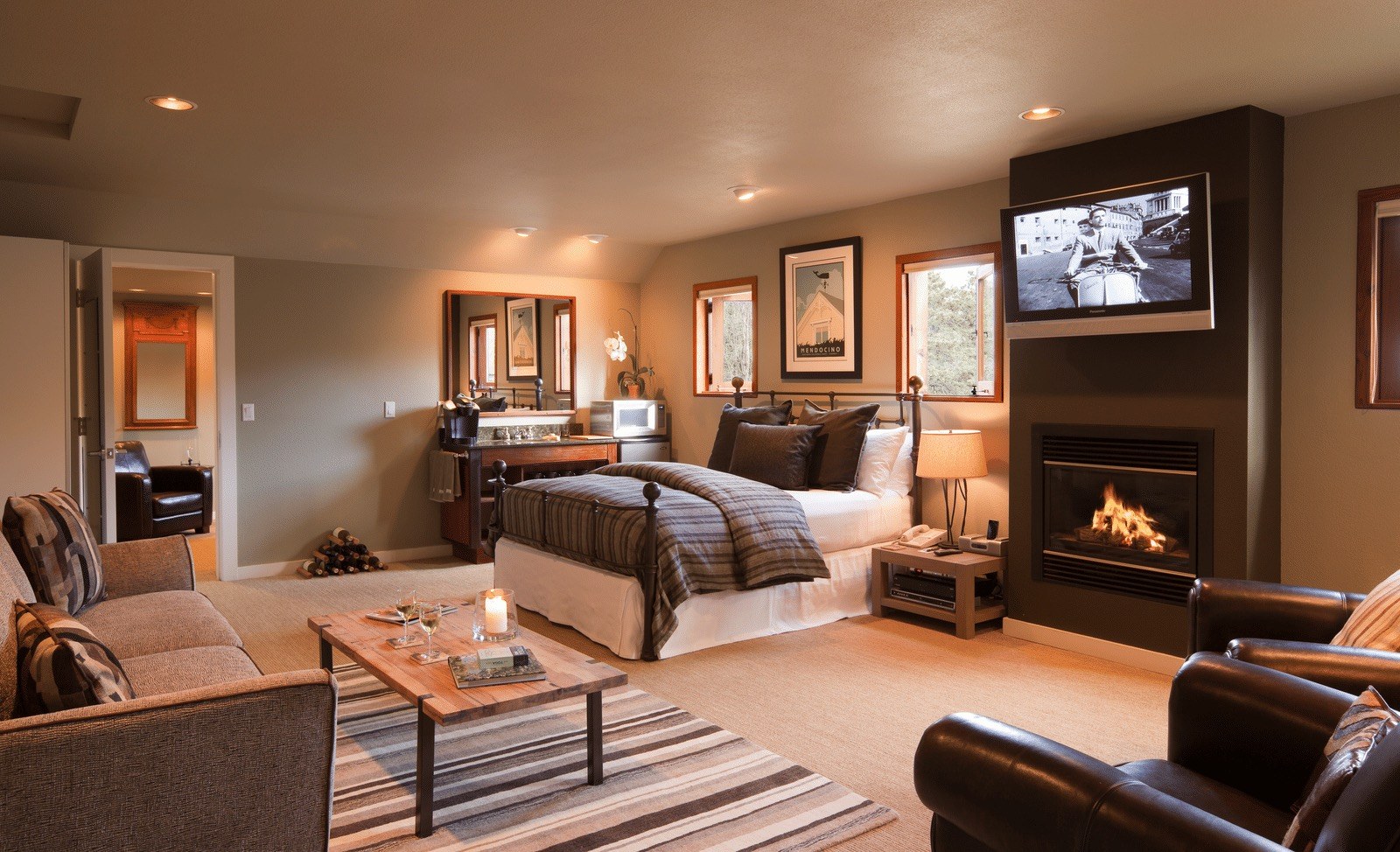
Brewery Gulch Inn
An eleven-room ocean-view inn on a 10-acre redwood grove — adults-only, all-inclusive breakfast and supper.
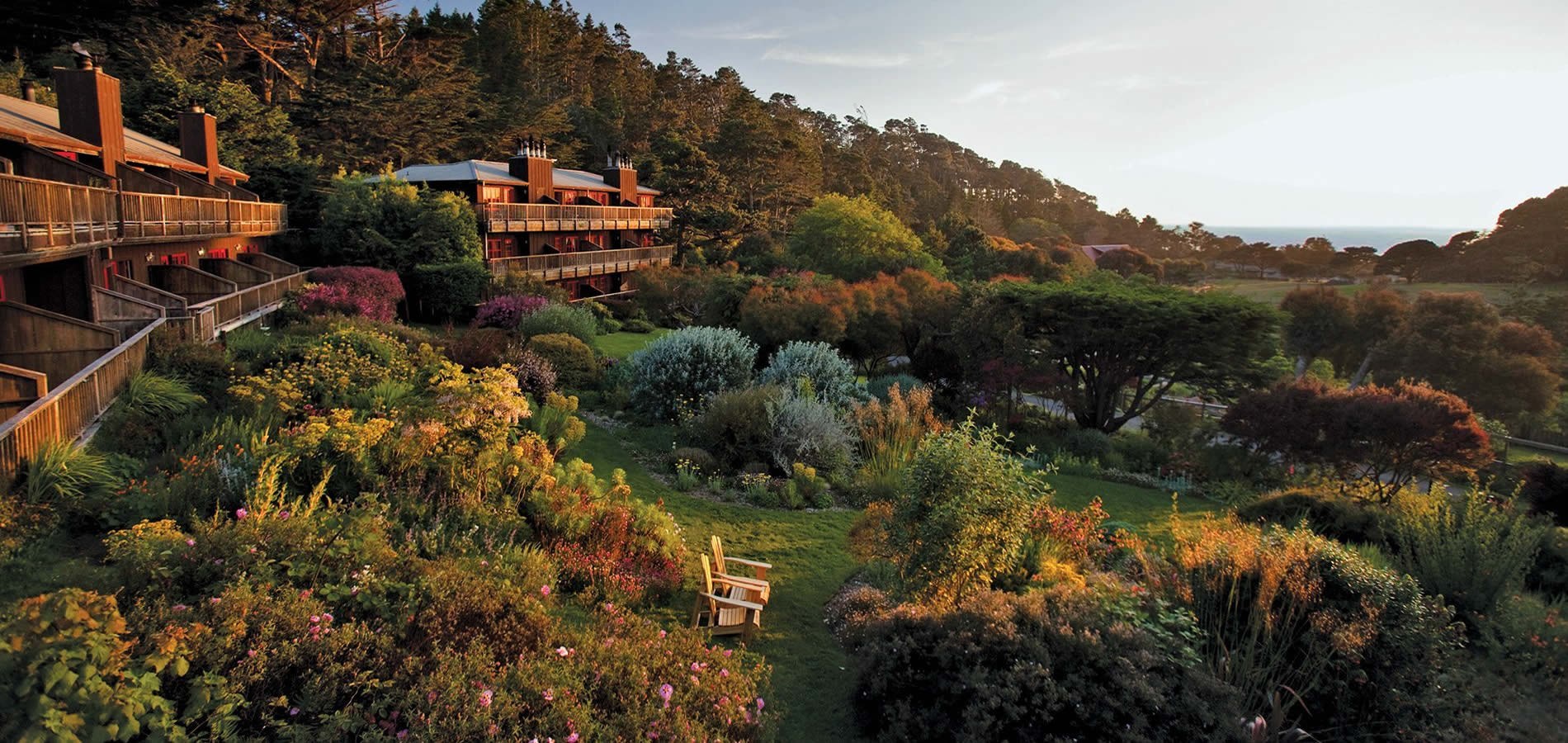
The Stanford Inn
A 10-acre eco-resort with the only certified-organic restaurant in Mendocino — 41 rooms, on-site farm.
Inn at Schoolhouse Creek
Eight ocean-view acres south of the village — 16 rooms in farmhouse buildings + cottages.
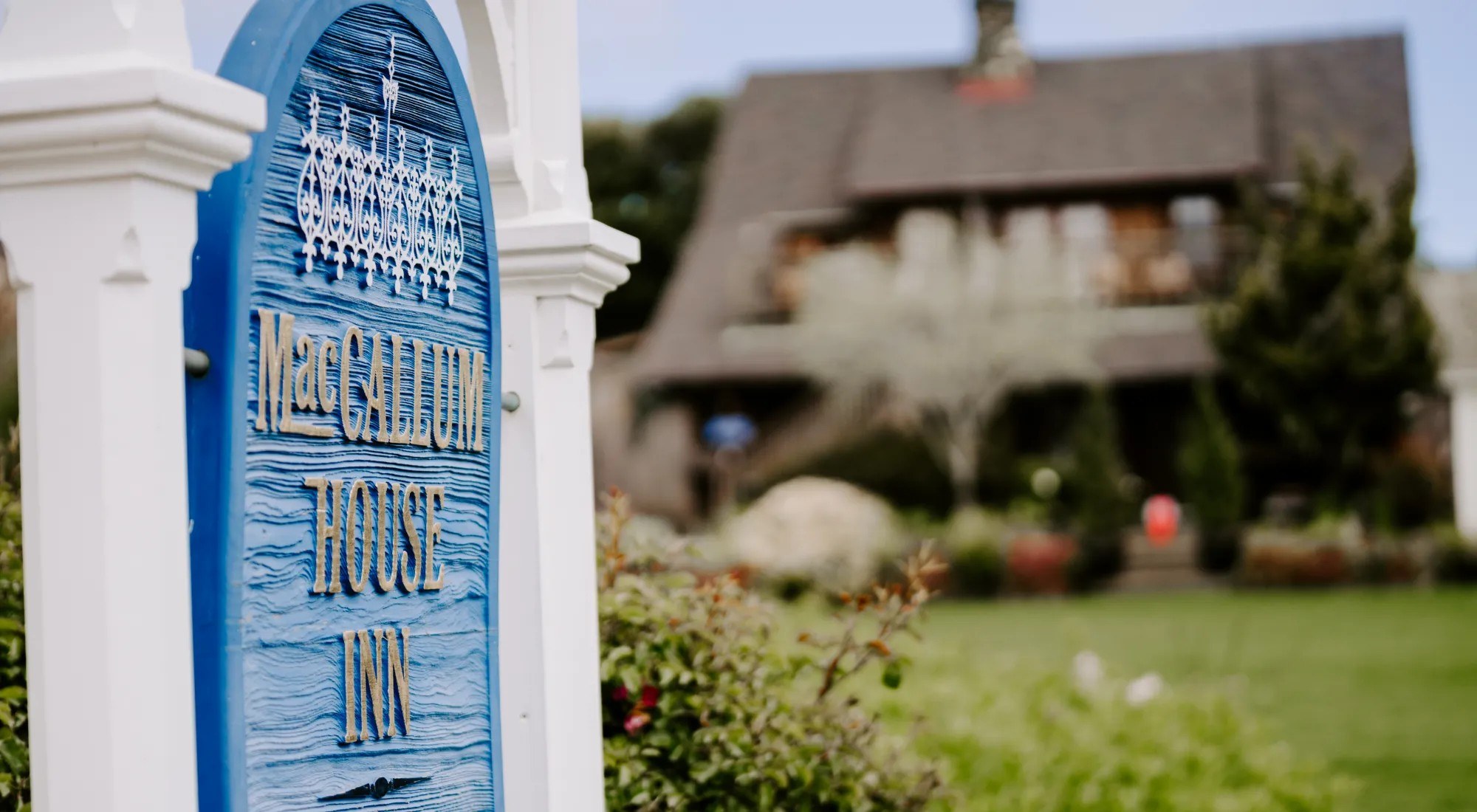
MacCallum House Inn
An 1882 Victorian gingerbread mansion — 19 rooms in the heart of Mendocino village.
Mendocino is a Cape Cod fishing village that ended up on the wrong coast — same shingle-style architecture, same New England-cluster street grid, sitting on a headland 150 miles north of San Francisco. The drive in via Highway 1 from the Bay Area is part of the proposition. The independent-inn density is high; chains essentially don't exist on the Mendocino Coast.
What this looks like
Highway 1 hugs the cliffs from Bodega Bay north through Gualala, Point Arena, Elk, Albion, Little River, and into Mendocino village itself. Architecture is white clapboard, Victorian, gabled, water-tower-equipped. Inns sit either in the village (walking distance to dinner) or on bluff acreage south of town. North of Mendocino, Fort Bragg is the larger working town. Each coastal cove has a hotel or two and not much else.
The standouts
- Harbor House Inn in Elk — a 1916 redwood-built oceanfront inn. Eleven rooms, two-Michelin-star restaurant, Forbes five-star. The destination on the Mendocino Coast.
- The Stanford Inn — a ten-acre eco-resort with the only certified-organic restaurant in Mendocino. Forty-one rooms.
- Brewery Gulch Inn — eleven ocean-view rooms on a ten-acre redwood grove. Adults-only, all-inclusive register.
- MacCallum House Inn — an 1882 Victorian gingerbread mansion in the heart of the village. Nineteen rooms.
- Inn at Schoolhouse Creek in Little River — eight ocean-view acres south of the village. Sixteen rooms in farmhouse buildings.
When to come / who it's for
The Mendocino Coast has two seasons: the foggy summer (June–August, classic Northern-California marine layer) and the clear, cold winter (December–March, the storm-watching window when the rooms get cheaper and the surf gets serious). Spring (April–May) and fall (September–October) split the difference. Whale migration runs December through April. The trip rewards three to four days minimum — the drive in is six hours round trip from San Francisco, and you don't want to make it for two nights. Couples territory; older travelers; anyone with a book they've meant to finish.
Nearby
Russian Gulch State Park for the headland trail and waterfall. Mendocino Coast Botanical Gardens. Glass Beach in Fort Bragg for the surf-tumbled sea-glass shore. The Skunk Train from Fort Bragg through the redwoods. Anderson Valley wineries (Goldeneye, Roederer, Navarro) are a forty-five minute drive inland and worth the detour. Eat: the dining room at Harbor House, MacCallum House restaurant, Trillium Cafe in the village.