Napa Valley.
Napa Valley is largely a Meritage Collection / Auberge / Westin map — chain country in a wine country wrapper. Auberge owns Solage, Auberge du Soleil, Stanly Ranch, Bardessono — all excluded. Real independents: Poetry Inn (a 5-room hilltop), Carneros Resort (independent under Plumpjack at <5). Smaller, older, more interesting.
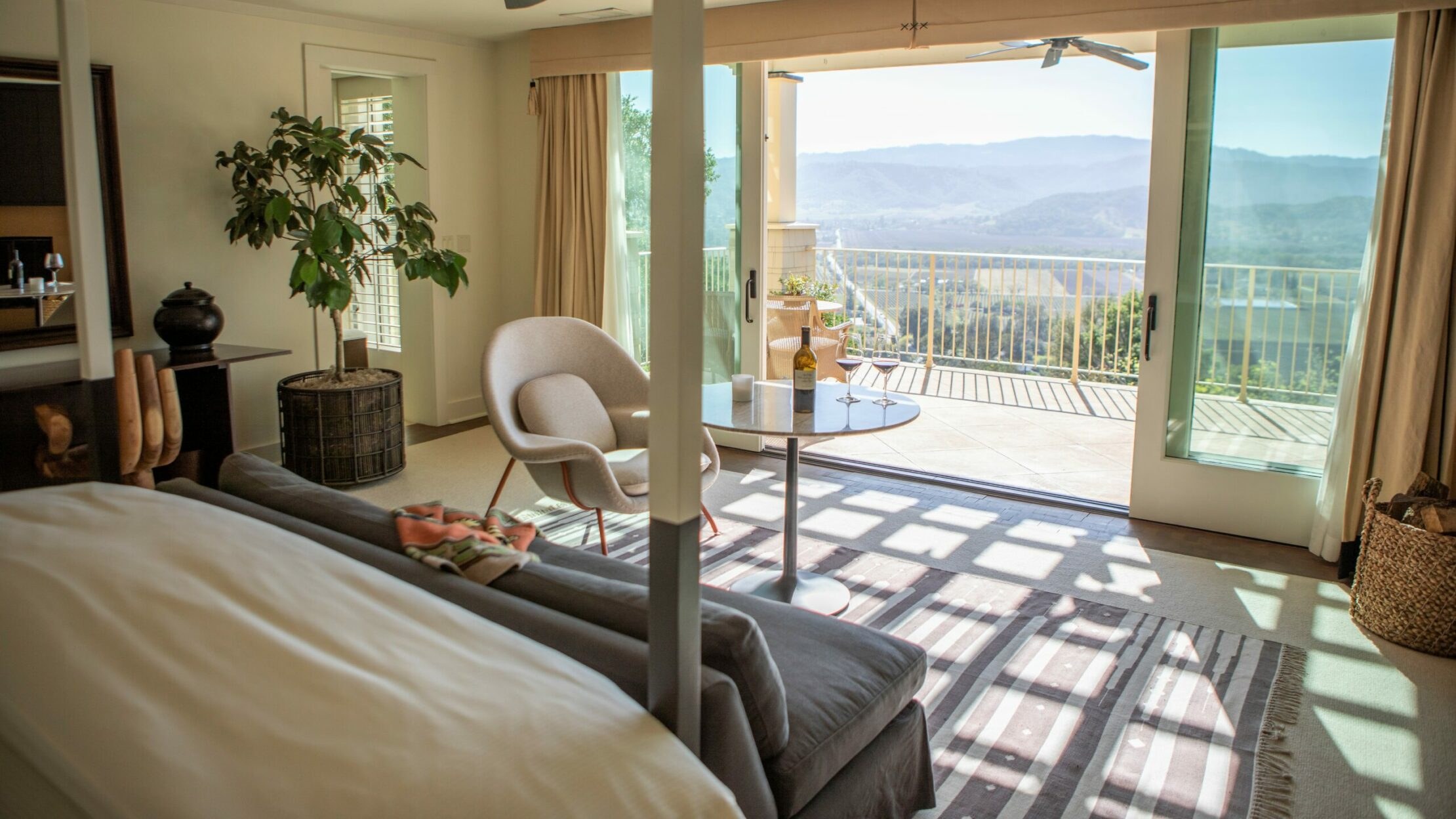
Poetry Inn
Five suites on a Stags Leap District hilltop — Cliff Lede Vineyards' tiny, all-suite hideaway.
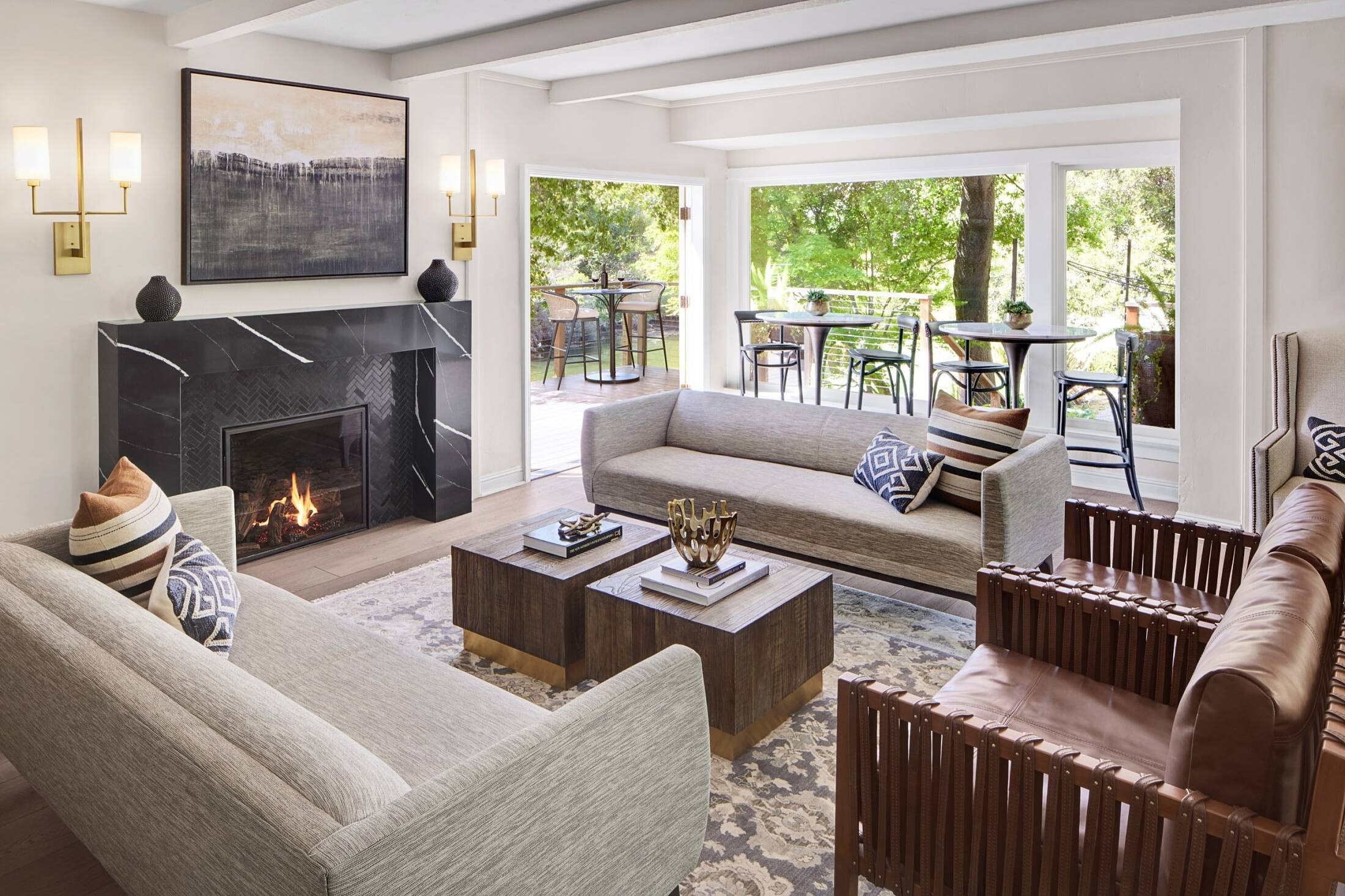
Milliken Creek Inn
Twelve adults-only suites on three creekside acres — Asian-influenced, breakfast-on-the-deck format.
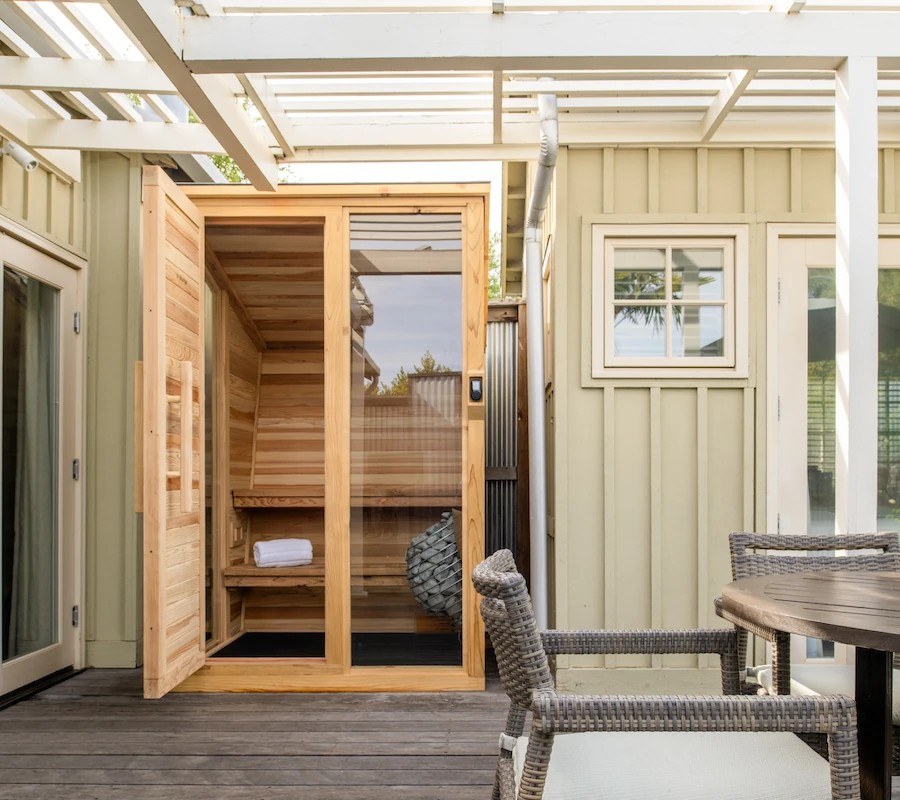
Carneros Resort and Spa
Eighty-six cottage-style suites on 27 acres of Carneros vineyards — three pools, Hilltop spa.
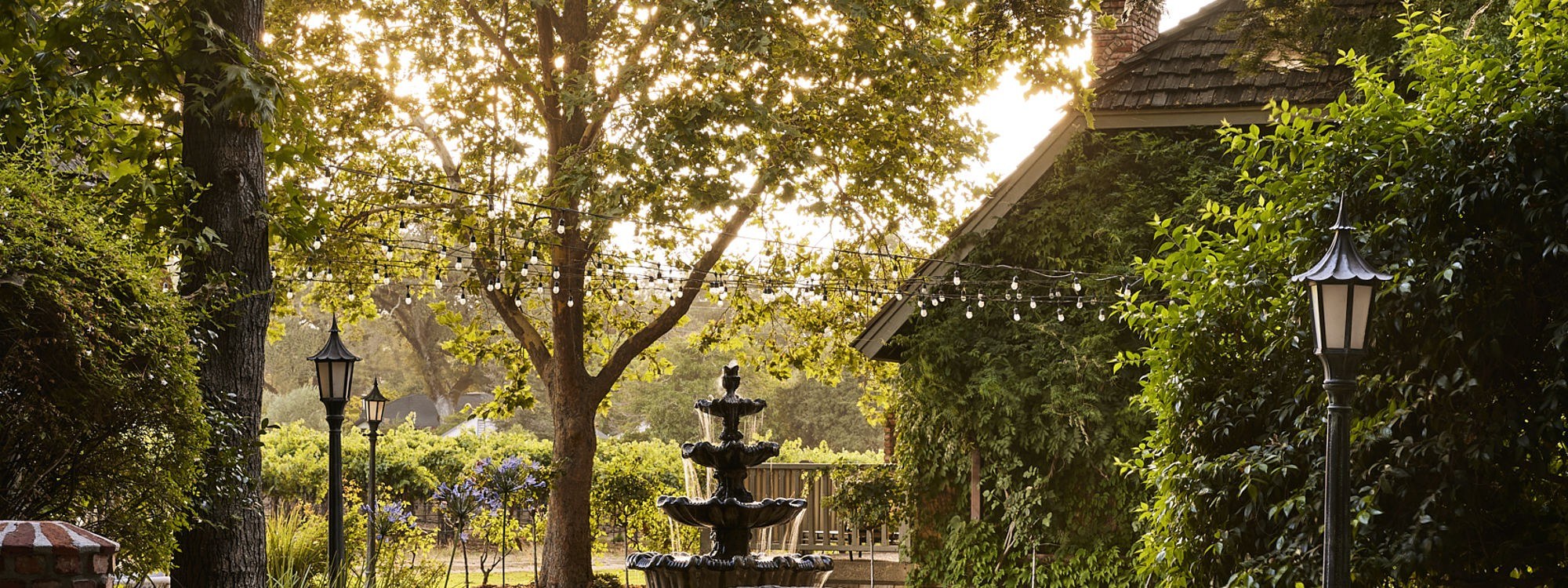
Harvest Inn
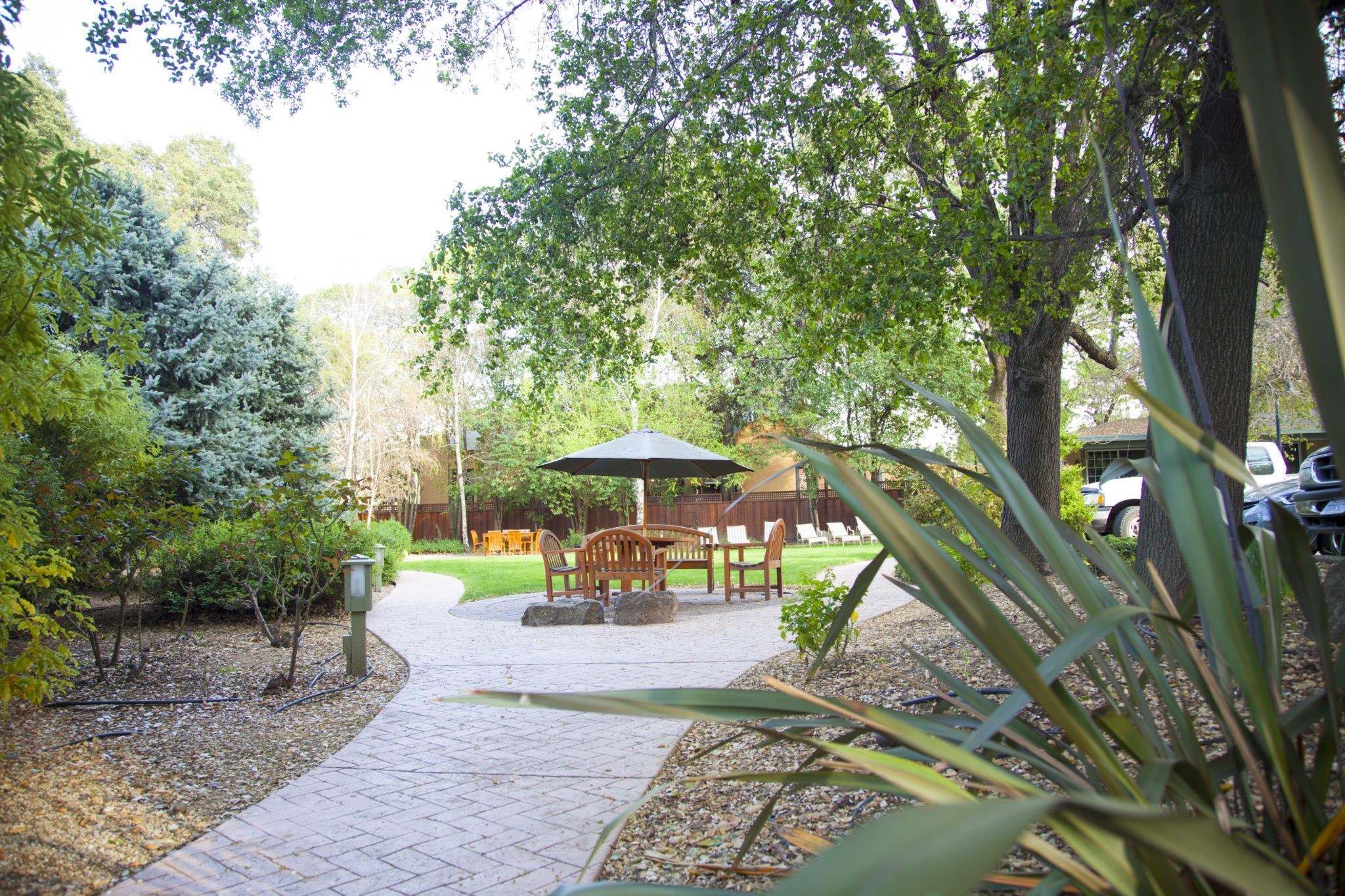
Eight acres of English-garden grounds in St. Helena — 78 rooms in Tudor-revival cottages.
Wine Country Inn
Family-owned since 1975 — 29 rooms on a hilltop above the Napa Valley, all with vineyard views.
El Bonita Motel
A 1930s Art Deco motor lodge on the highway — 41 rooms, the only motel left in St. Helena.
Napa Valley is largely a Meritage / Auberge / chain-luxury map — chain country in a wine-country wrapper. The genuine independents are smaller, older, and more interesting: Poetry Inn's five-room hilltop above Stags Leap, family-owned mid-century inns in St. Helena, a working 1930s Art Deco motor lodge that nobody's flipped yet. Smaller scale, more direct relationship to the vineyards out the window.
What this looks like
The valley is 30 miles long, north-to-south along Highway 29 (the busy spine) and the Silverado Trail (the quieter parallel road on the eastern side). The five towns matter most: Napa (south, the city, where most chain hotels cluster), Yountville (the Michelin-starred dinner town), Oakville and Rutherford (the heart of Cabernet country), St. Helena (the historic main street with most of the family-owned inns), and Calistoga (north, the geothermal-spa town). Drive time from San Francisco is an hour to Napa, 90 minutes to St. Helena. Aesthetically, the independent inn set splits between Tudor-revival garden cottage, mid-century motor court, and Asian-influenced creekside.
The standouts
- Poetry Inn (Napa, Stags Leap) — five suites on a hilltop, Cliff Lede Vineyards' tiny all-suite hideaway.
- Wine Country Inn (St. Helena) — family-owned since 1975, 29 rooms on a hilltop, all with vineyard views.
- Carneros Resort and Spa (Napa) — 86 cottage-style suites on 27 acres of Carneros vineyards, three pools.
- Harvest Inn (St. Helena) — eight acres of English garden, 78 rooms in Tudor-revival cottages.
- Milliken Creek Inn (Napa) — 12 adults-only suites on three creekside acres, breakfast-on-the-deck.
- El Bonita Motel (St. Helena) — 1930s Art Deco motor lodge on 29, 41 rooms. The only motel left in town.
When to come / who it's for
Harvest (mid-August through October) is the obvious season — Cabernet picks in September, the smell of fermentation everywhere — but it's also the most expensive and the most crowded. May–June (after bud break, before the heat) is the underrated window. Winter (December–February) drops rates 40% and the wineries that stay open run small, untouristed tastings. Summer in St. Helena is genuinely hot — 95°F afternoons are normal in July. Napa rewards three- to four-night stays from couples and small adult groups doing serious tasting itineraries. It's not a family region by default.
Nearby
The wineries are the point — Stag's Leap Wine Cellars (the 1976 Judgment of Paris winner), Inglenook (Coppola), Schramsberg (the sparkling), Frog's Leap (the casual). Yountville's restaurant cluster is a half-day in itself: French Laundry, Bouchon, Ad Hoc, R+D Kitchen. Calistoga's mud baths (Indian Springs, Solage's are excluded but the mud is open). Oxbow Public Market in Napa is the lunch answer. The Napa Valley Wine Train runs the length of the valley if you want to skip a driver.