Washington, D.C..
D.C. is a chain-hotel town by design — a capital built for conference-room travel. But a handful of independents stand apart. The Line Hotel in Adams Morgan (a reimagined 1912 church) remains the design-world pick. Kimpton Rouge and Morrison House are technically group-owned and excluded. We focus on Georgetown's townhouse inns and the quieter Dupont and Logan Circle independents — walking distance to the Mall and the Smithsonian without sleeping at a Marriott.
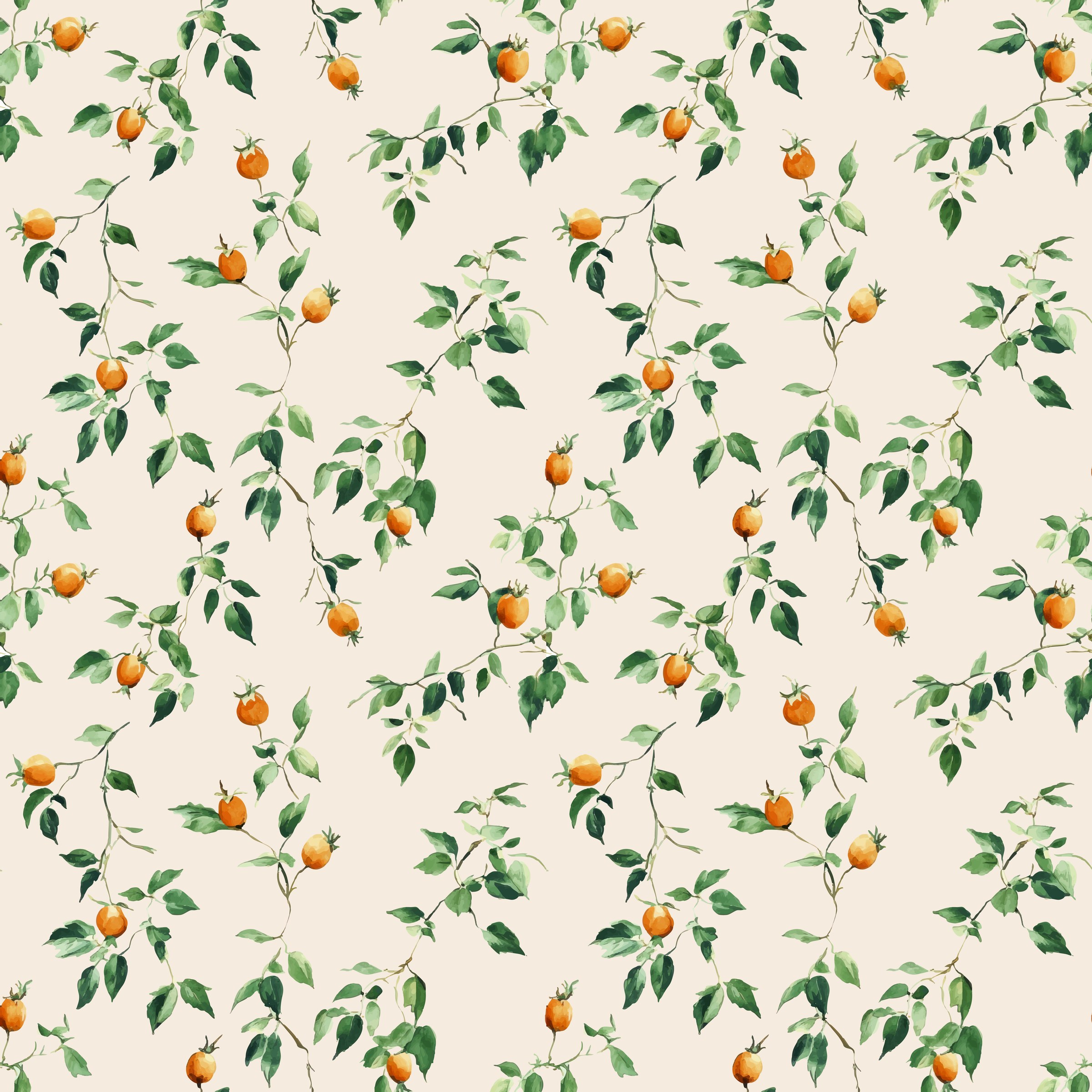
Swann House
A 1883 Richardsonian Romanesque mansion in Dupont Circle — nine rooms, rooftop pool, private garden.
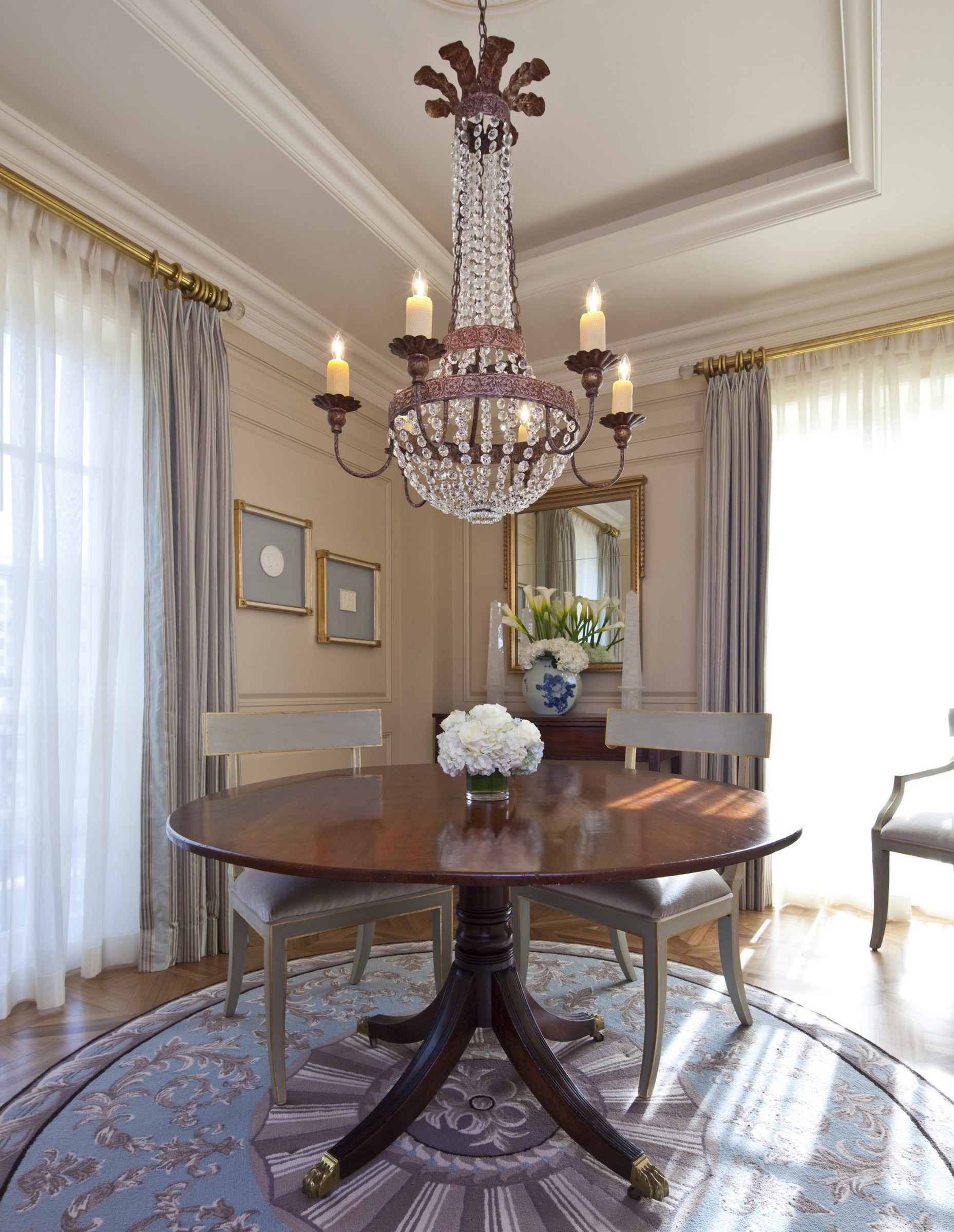
The Jefferson
A 1923 Beaux-Arts hotel four blocks from the White House — 99 rooms, Quill bar, Plume restaurant.
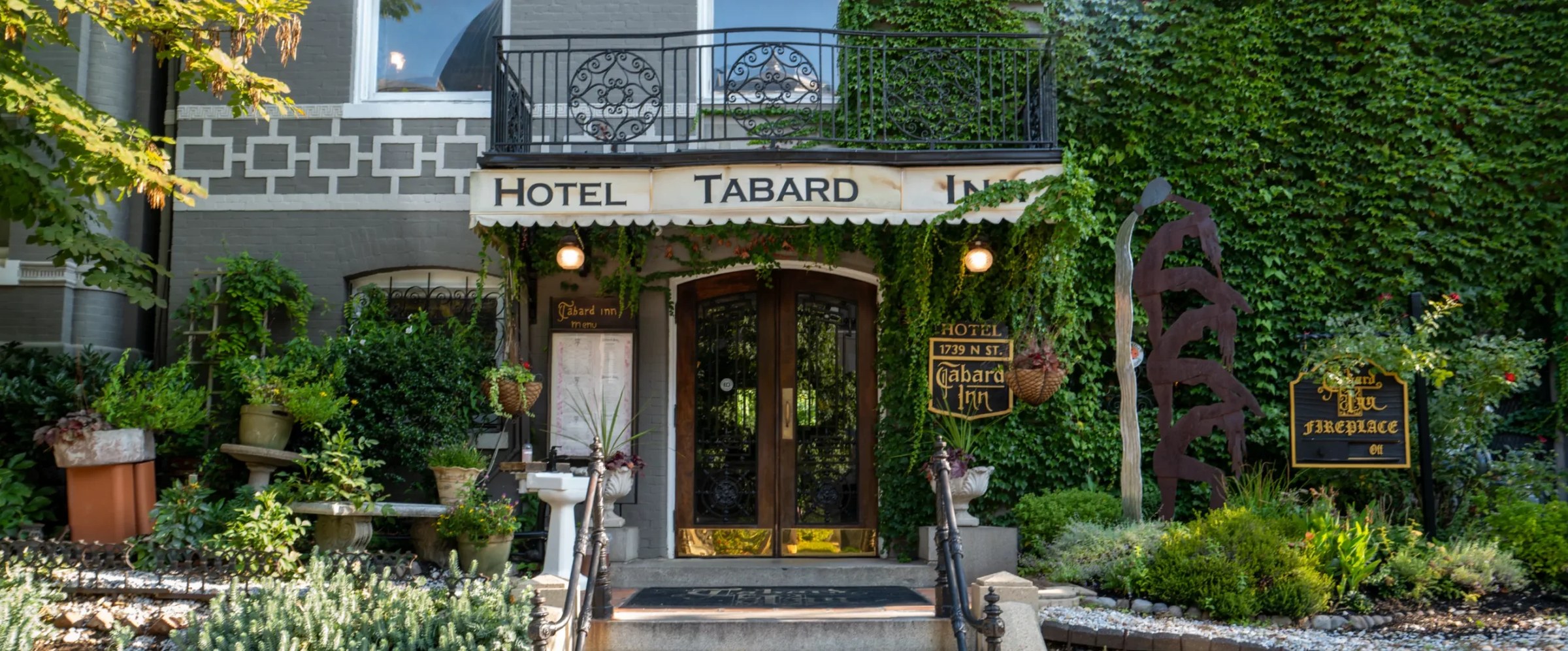
The Tabard Inn
D.C.'s oldest continuously-operating hotel (1922) in Dupont — 40 mismatched-antiques rooms, beloved restaurant.
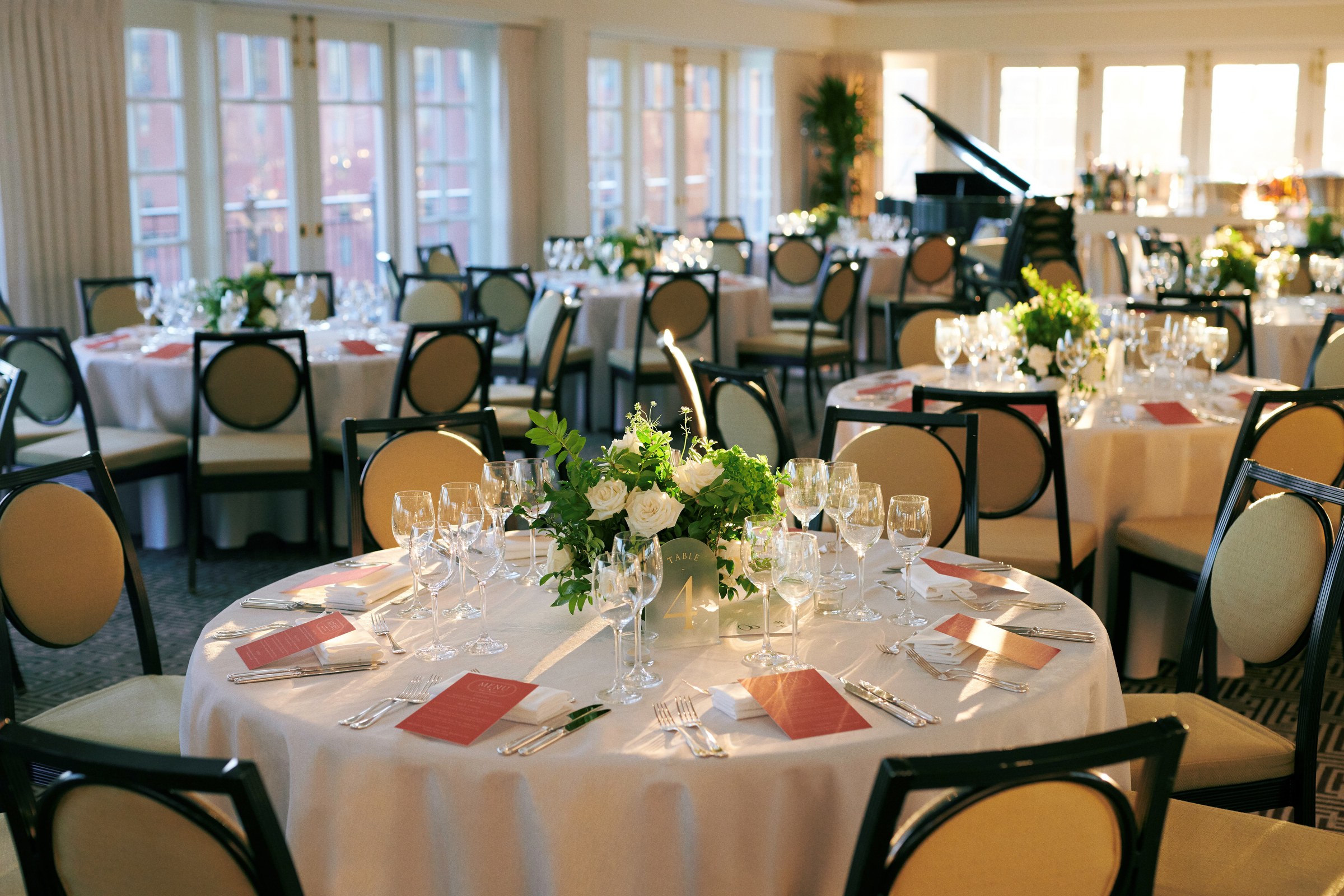
The Hay-Adams
A 1928 Italian Renaissance hotel facing the White House — 145 rooms, Lafayette restaurant, Off the Record bar.
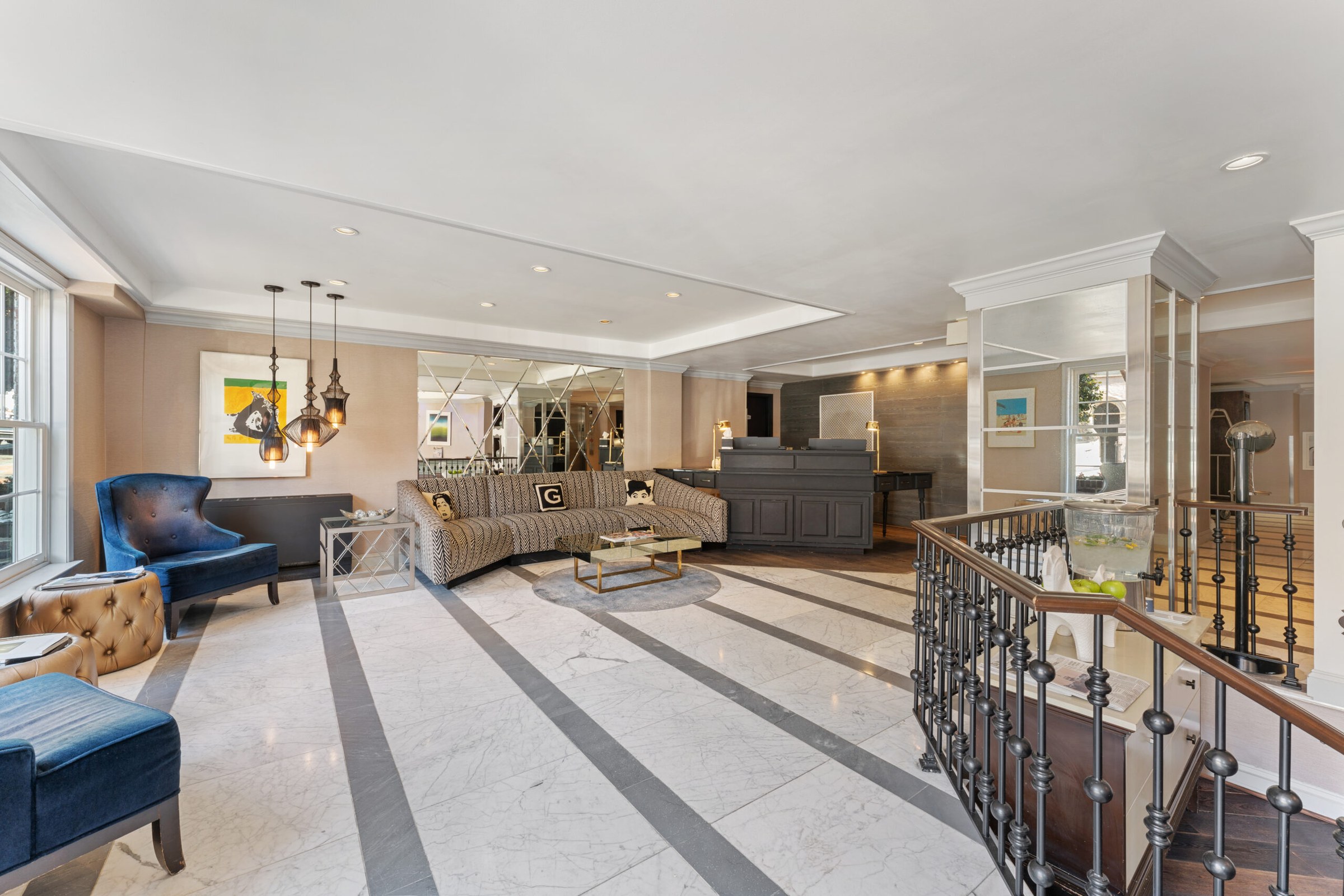
The Graham Georgetown
A boutique hotel on the Alexander Graham Bell laboratory site — 57 rooms, rooftop bar, M Street shopping.
Washington, D.C. is a chain-hotel town by design — a capital built for conference-room travel, expense accounts, and inauguration weeks. The independent scene is small but specific. It clusters in Georgetown, Dupont Circle, Adams Morgan, and Logan Circle, where pre-1930s row houses, Beaux-Arts mansions, and the occasional converted church became hotels rather than condos.
What this looks like
The geography is grid plus diagonals (the L'Enfant plan). Independent hotels mostly sit in the residential quadrants — northwest of the Mall — within a ten-minute Metro ride or a long walk to the Smithsonian and the federal core. Georgetown is the cobblestone-and-canal end. Dupont and Logan are the row-house-and-bookstore middle. Adams Morgan is the bar-and-music end where The Line opened a converted church in 2017.
The standouts
- The Line DC — a 1912 church in Adams Morgan, restored with organ pipes, vaulted ceilings, and Erik Bruner-Yang restaurants.
- The Hay-Adams — a 1928 Italian Renaissance hotel facing the White House. 145 rooms, Lafayette restaurant, the closest thing to a presidential vantage.
- The Jefferson — a 1923 Beaux-Arts hotel four blocks from the White House. Ninety-nine rooms, Quill bar.
- The Dupont Circle Hotel — Irish-owned, circle-facing, with the Pembroke restaurant and a rooftop suite that sees the monuments.
- Rosewood Inn Georgetown — a townhouse hotel on the C&O Canal. Rooftop pool, Cut by Wolfgang Puck.
- The Graham Georgetown — a boutique on the Alexander Graham Bell laboratory site. Fifty-seven rooms, rooftop.
- Swann House — an 1883 Richardsonian Romanesque mansion in Dupont, nine rooms, rooftop pool.
- The Tabard Inn — D.C.'s oldest continuously-operating hotel (1922) in Dupont. Forty mismatched-antique rooms, the kind of fireplace-and-creaky-floor lobby the chain hotels can't fake.
When to come / who it's for
Cherry blossom peak is roughly the last week of March into the first week of April — book in November. The other peak is mid-September through early November when Congress is in session and the weather flips perfect. Avoid August (humidity, empty city). January and February are the cheapest months and the museums are less crowded. The trip rewards three to four days: one Mall day, one neighborhood day, one museum-of-your-choosing day.
Nearby
The Smithsonian (free, all of it). The National Gallery's East Building for the Calder mobile and the Rothkos. The Phillips Collection in Dupont for a smaller, denser museum experience. Eastern Market on Capitol Hill on Saturday. Dinner: Le Diplomate in Logan, Rasika downtown, Maydan in U Street, the Tabard's restaurant for the old-school move.