Hawaii — Big Island.
The Big Island's coast is dominated by the major resort chains — Four Seasons Hualalai, Mauna Lani, Mauna Kea Beach. The independents tend to be inland or south: Volcano Village Lodge, Holualoa Inn (a Kona-coffee-country B&B), Shipman House (a Hilo Victorian), the Lava Tree Tropic Inn.
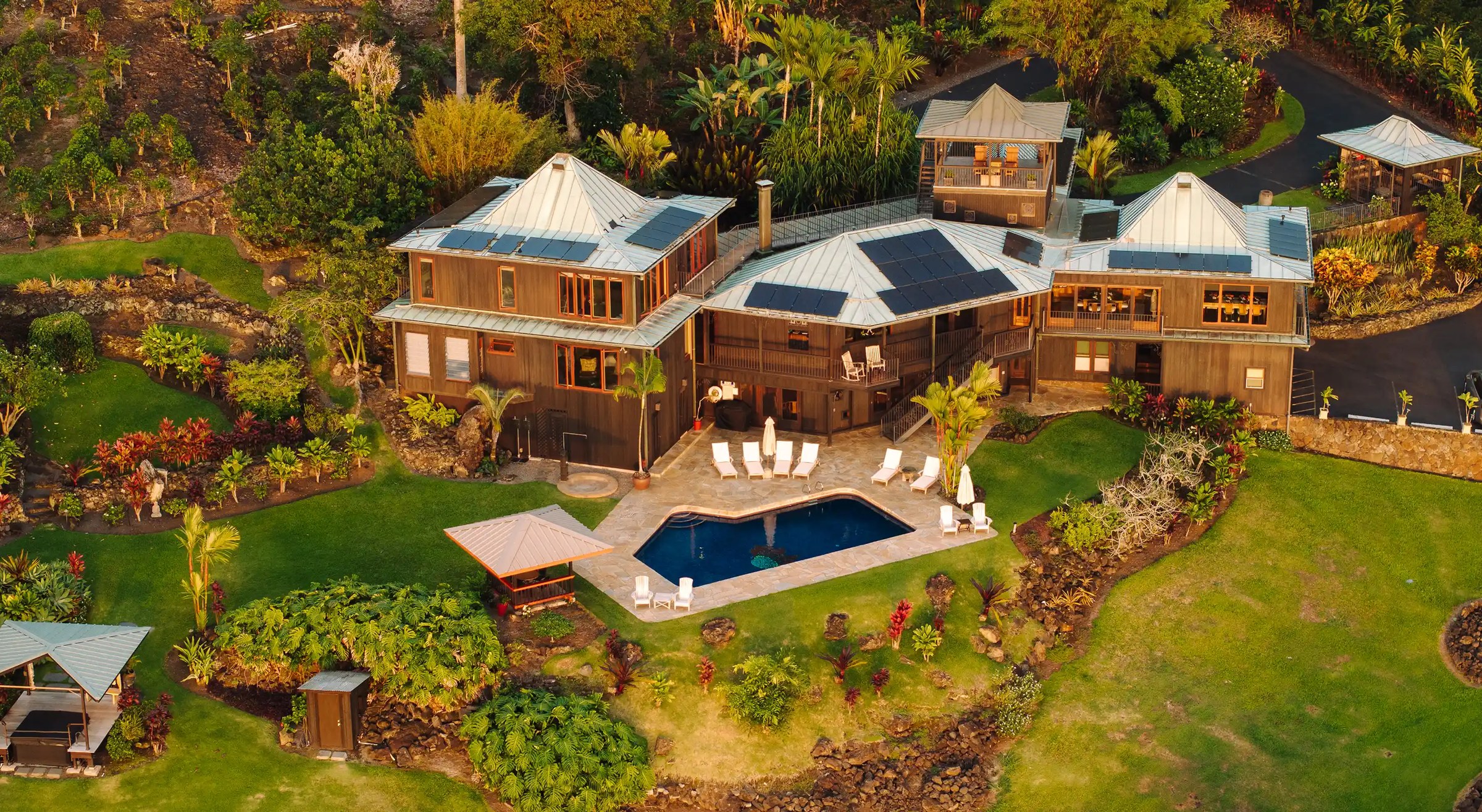
Holualoa Inn
Six adults-only rooms on a 30-acre Kona-coffee estate — built by the Inaba family in 1978.
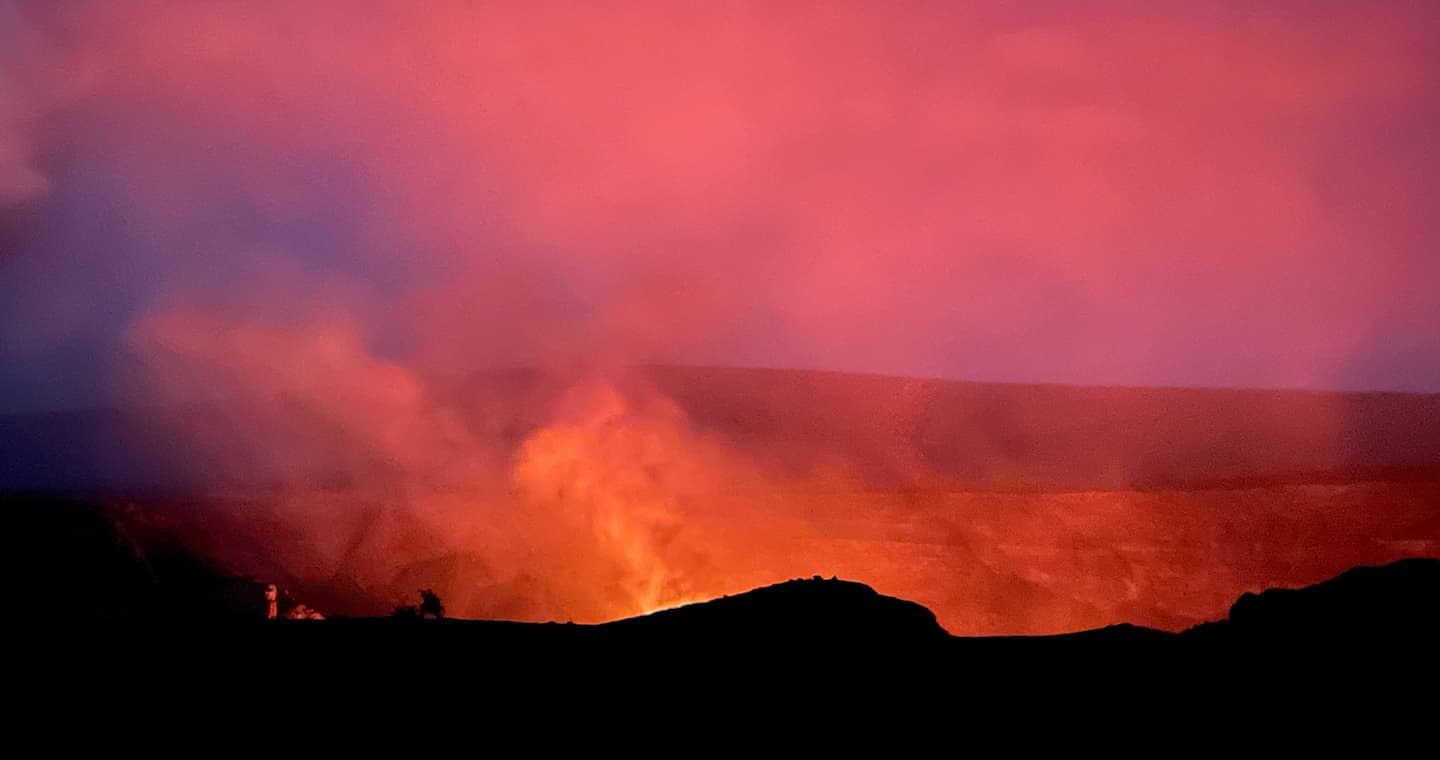
Volcano Village Lodge
Five cabins-in-the-rainforest at Volcano Village — adults-only, walking distance to Volcanoes National Park.
Shipman House Bed & Breakfast Inn
An 1899 Hilo mansion that hosted Queen Liliuokalani — five rooms, Shipman family-owned for 6 generations.

Kona Coffee & Tea Suites
Three suites on a working Kona-coffee farm — Greenwell family, 5th generation, breakfast at the farm.
The Big Island of Hawaii is geographically the largest in the chain — bigger than all the others combined — and the most ecologically varied. Active volcano in the south, snow on Mauna Kea in winter, rainforest in Hilo, dry Kona coffee belt on the western slope. The Kohala Coast is dominated by major resort chains (Four Seasons Hualalai, Mauna Lani, Mauna Kea Beach). The independents tend to be inland, in coffee country, or in Hilo on the wetter east side.
What this looks like
Two major airports — Kona (KOA) on the west and Hilo (ITO) on the east. Highway 19 connects them via the Saddle Road or the longer northern route. The island circumnavigates in about seven hours of driving. Architecture varies by elevation and side: plantation-era wood-frame in Hilo, lava-rock and ironwood in Volcano, coffee-farm Craftsman in Holualoa, the resort-modern in Kohala. The independents on this list cluster on the slower side of the island.
The standouts
- Holualoa Inn in Holualoa — six adults-only rooms on a thirty-acre Kona-coffee estate. Built by the Inaba family.
- Volcano Village Lodge in Volcano — five cabins-in-the-rainforest at the entrance to Volcanoes National Park. Adults-only, walking distance to the visitor center.
- Shipman House Bed & Breakfast Inn in Hilo — an 1899 mansion that hosted Queen Liliuokalani. Five rooms, still in the Shipman family.
- Kona Coffee & Tea Suites in Kailua-Kona — three suites on a working Kona-coffee farm. Greenwell family, fifth generation.
When to come / who it's for
The Big Island runs year-round; the wet/dry split matters more than the season. April–May and September–October are the value windows — between the spring break peak and the holiday peak. Whale season (December–April) is the headline event on the Kohala Coast. Volcano weather is its own thing — cold and rainy at 4,000 feet even when Kona is dry. The trip rewards five to seven nights minimum, ideally split between the dry Kona side and the wet Hilo/Volcano side. Two-base trips are the right play; the drive between is too long for day-trips. Couples, multi-generation, anyone who actually wants to see an erupting volcano.
Nearby
Hawai'i Volcanoes National Park is the must — Kīlauea Iki, the Thurston Lava Tube, the Crater Rim Drive at sunset. Mauna Kea Visitor Information Station for the stargazing and (with a 4WD) the summit drive. Akaka Falls outside Hilo. Pu'uhonua o Hōnaunau (Place of Refuge) on the south Kona coast. Drive the Hāmākua Coast for the Waipi'o Valley overlook. Eat: Da Poke Shack in Kona, Pineapple's in Hilo, Volcano House for the rim view.