Cumberland Island.
Cumberland Island is a 17-mile barrier island accessible only by ferry. Greyfield Inn (a 1900 Carnegie family mansion, the only hotel on the island, 16 rooms) is the legend. The Florida side at Amelia Island adds Amelia Island Williams House and the smaller historic-district inns. Wild horses, no roads, no chains.
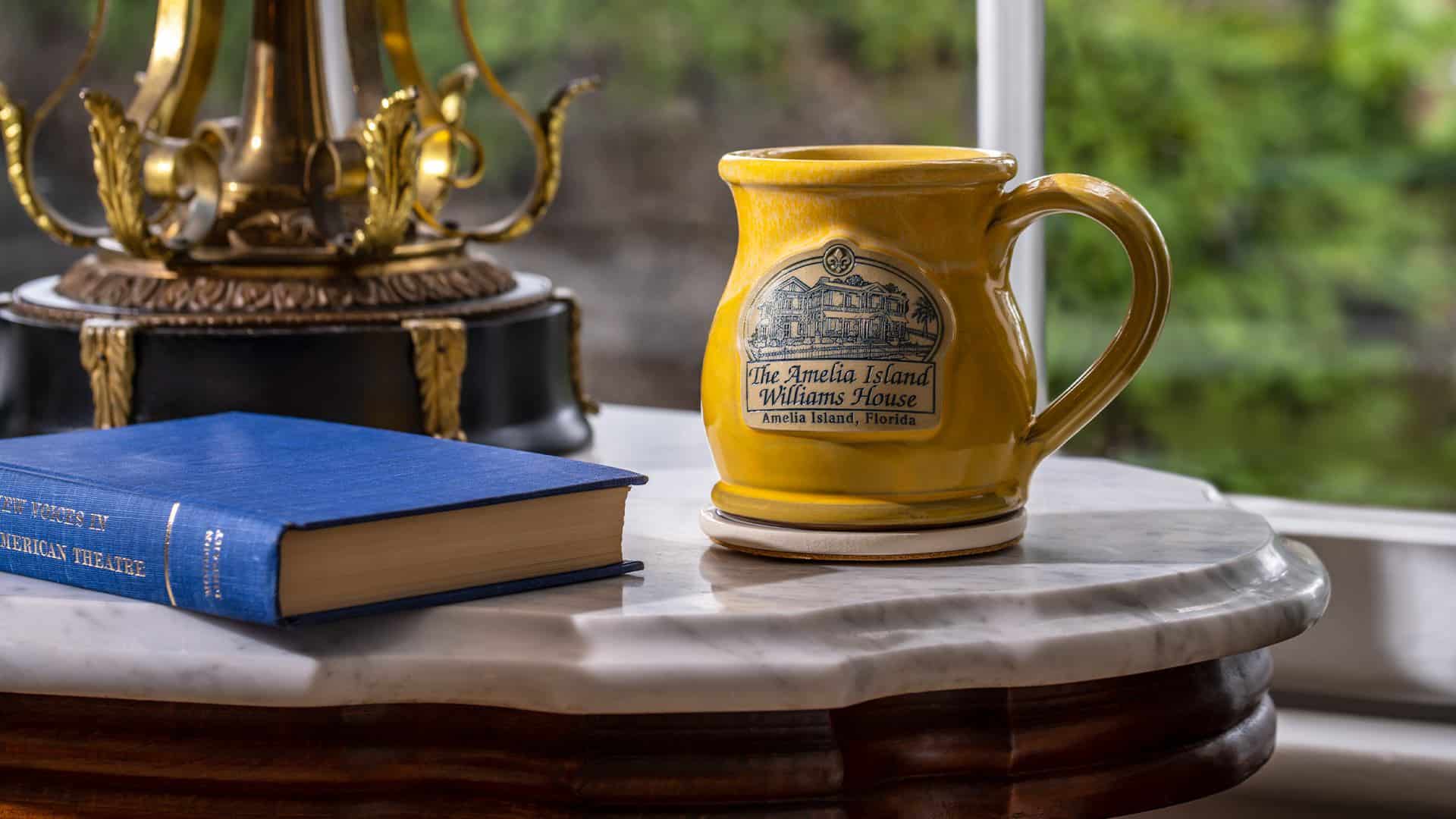
Cumberland Island is a 17-mile barrier island accessible only by ferry. Greyfield Inn — a 1900 Carnegie family mansion, sixteen rooms, the only hotel on the island — is the legend. The Florida side at Amelia Island adds Williams House and a handful of historic-district inns. Wild horses, no roads, no chains.
What this looks like
Cumberland Island sits at the southern end of Georgia's coast, the largest of the state's barrier islands. The National Park Service runs nearly all of it — 17,000 of 17,500 acres — as a National Seashore. There are no paved roads, no stores, no cell service across most of the island. The Sea Camp ferry runs from St. Marys (Georgia mainland) on a fixed schedule, 45 minutes each way, with guests of Greyfield Inn arriving on a separate private boat from Fernandina Beach (Amelia Island, Florida). The Carnegie family bought most of the island in the 1880s; their descendants still own the Greyfield property and a handful of private inholdings. Wild horses (descended from feral livestock) roam the dunes. Live oaks, palmettos, salt marsh, and eighteen miles of unbroken beach. Amelia Island, twenty minutes south by water, is the developed counterweight — Fernandina Beach historic district with its own deep stock of Victorian inns.
The standouts
- Greyfield Inn — a 1900 Carnegie family mansion, sixteen rooms, the only hotel on Cumberland Island, fully inclusive (meals, ferry, naturalist tours).
- Williams House Inn — an 1856 antebellum on Amelia Island, nine rooms, four blocks from the Cumberland ferry dock in Fernandina Beach.
The list is two properties because Cumberland Island has only one hotel by federal regulation, and Amelia Island's independent inn count is small (most lodging there is short-term rental or the Ritz-Carlton/Omni axis we don't list). What's here is real: Greyfield is a generational experience, and Williams House is a credible base for a Cumberland day-trip if you can't get into Greyfield (which books out a year ahead for some weekends).
When to come / who it's for
Spring (mid-March through May) and fall (mid-October through early December) are the windows. Spring brings warm days, comfortable nights, the wild horses are visible all over the dunes, and the no-see-ums haven't fully hatched yet. Fall is the second window — lower humidity, hurricane season ending, wading-bird migration. Summer is hot, humid, and bug-heavy; insect repellent isn't optional from June through September. Winter is mild, occasionally cool at night, and the lowest-density window of the year. The region rewards three to four nights minimum at Greyfield (the inn includes the ferry, meals, and naturalist programs and is built for stays not day-trips), or a one-to-two-night Amelia Island stay with a single Cumberland day-trip. Couples and friend trips primarily; not the right region for young children.
Nearby / what else
The Plum Orchard Mansion, an 1898 Carnegie estate on the island's interior — guided tours twice monthly. Dungeness Ruins, the burned remains of the original Carnegie estate. The First African Baptist Church, a small wooden 1893 church that hosted the JFK Jr.-Carolyn Bessette wedding in 1996. The eighteen-mile beach itself — Cumberland's quietest stretch is the north end past Stafford. On Amelia Island: Fort Clinch State Park, the Fernandina Beach historic district, Pippi's Restaurant, the Palace Saloon (Florida's oldest bar). For dinner on Amelia: David's, Salt at the Ritz-Carlton, Espana on Centre Street.