Hotel Arras
The 1965 BB&T tower reimagined — tallest building downtown, Bargello restaurant, James Beard-caliber chef.
An architectural-minimalist interior, in a converted industrial building, with a restaurant worth booking on its own. Google guests rate it 4.7★ across 914 reviews.
Spring and fall — fewer people, better rates, and everything's open.
Very good. A genuinely good independent hotel — the sub-scores tell you if it's your kind.
We earn a small commission if you book through this link, at no cost to you. How this works
Hotel Arras occupies the 1965 BB&T tower in downtown Asheville — the city's tallest building, reimagined as a 128-room hotel and condominium, anchored at the ground floor by Bargello, a serious Mediterranean restaurant from a James Beard-caliber chef. It's the rare downtown high-rise hotel that earns its position rather than defaulting to it.
The conversion respects the bones of a mid-century commercial tower while replacing essentially everything inside, which is both the project's ambition and its slight tension: this is downtown urban hotel, not a mountain resort, and the design idiom is metropolitan rather than Appalachian. If you came to Asheville for cabins and craft fairs, you'll want a different room. If you came for the food, the breweries, and the walk back from dinner, this is the right address.
The setting
Downtown Asheville is denser and more walkable than it looks from outside the city — a concentrated grid of restaurants, breweries, galleries, and music venues laid out around Pack Square. Hotel Arras anchors a downtown corner, with Pritchard Park, the Grove Arcade, and most of the city's serious restaurants within a five-to-fifteen-minute walk.
The Blue Ridge Parkway access and the broader mountain landscape are a short drive — the Folk Art Center is fifteen minutes east, the Biltmore Estate is ten minutes south, and the higher Parkway viewpoints are within forty-five minutes.
The building
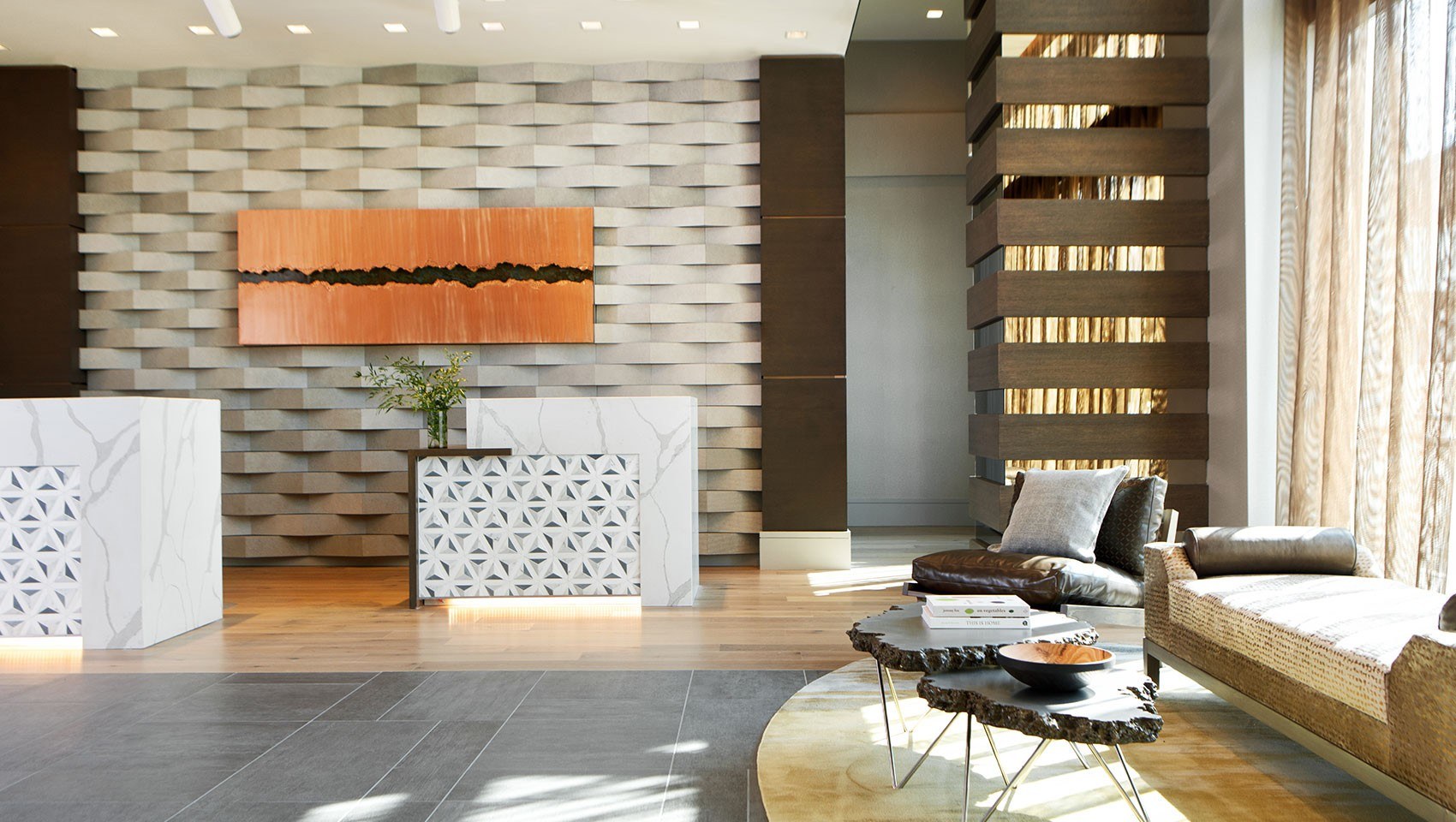
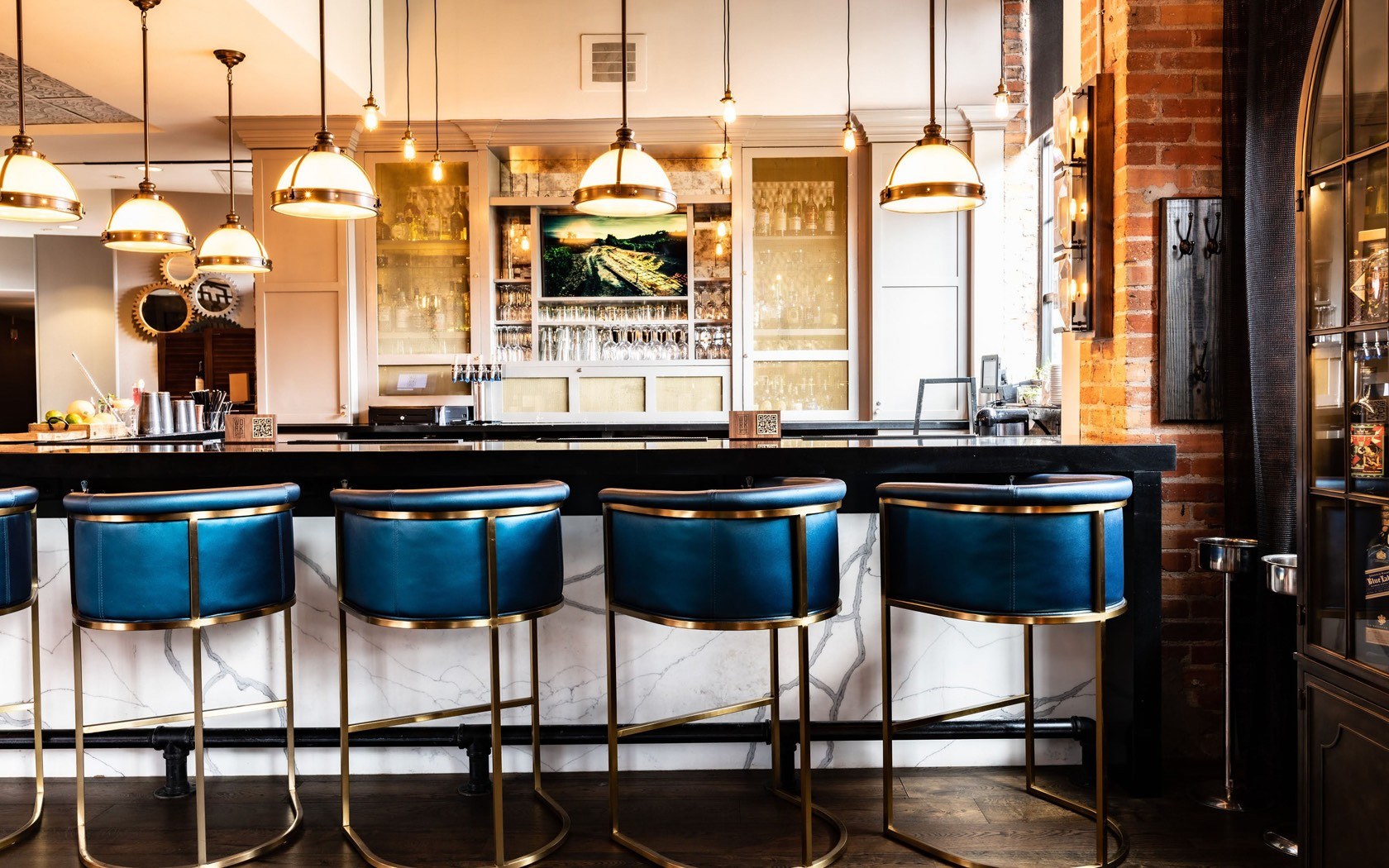
Originally built in 1965 as the BB&T tower, Asheville's tallest building, the structure was gut-renovated and converted into a hybrid hotel-condominium project. The exterior reads as a mid-century commercial tower, kept honest. Interiors lean architectural minimalist with brass and velvet accents — a darker, more metropolitan palette than most Asheville lodging, which tends toward mountain-craftsman or boutique-Appalachian registers.
The rooms
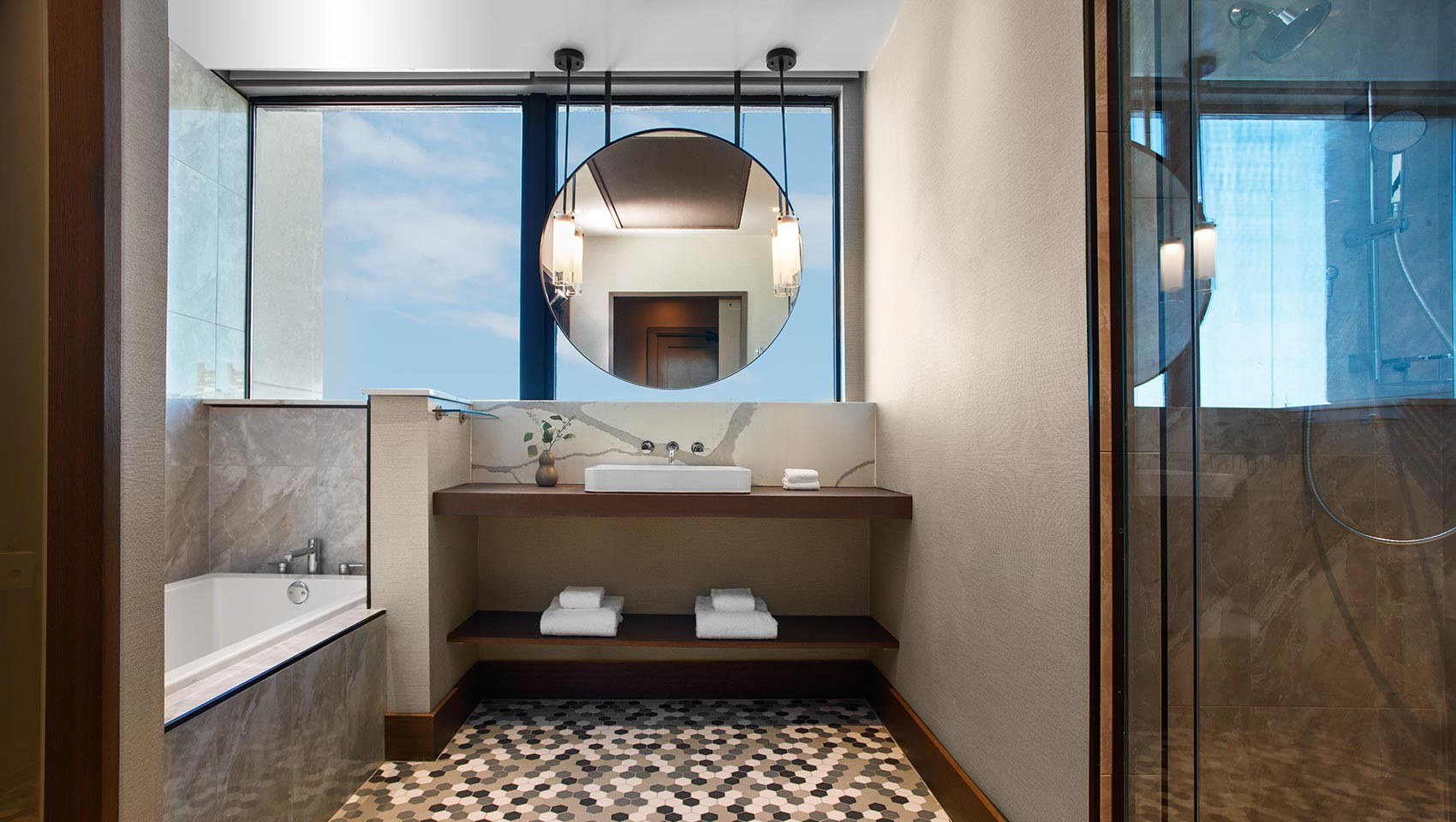
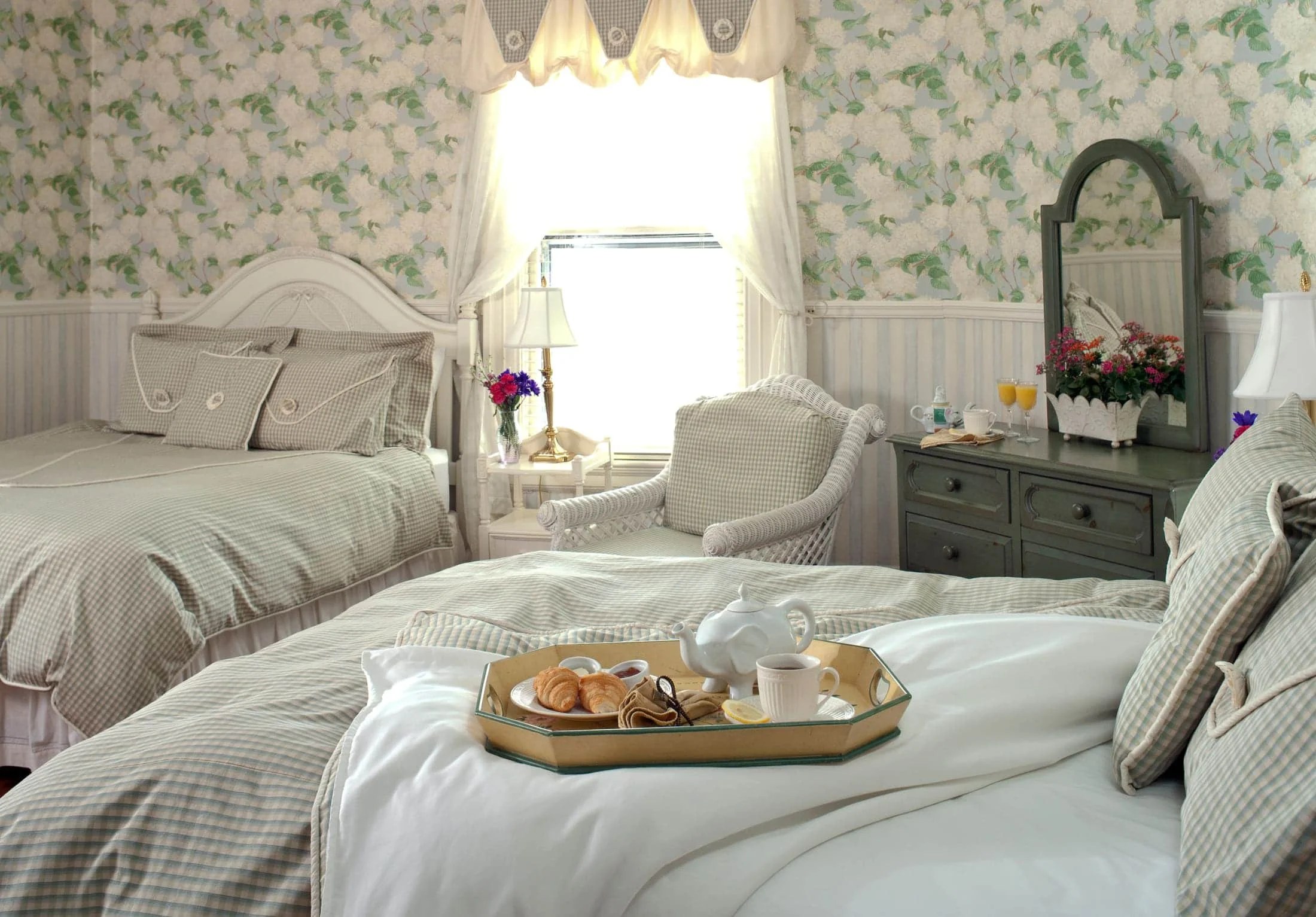
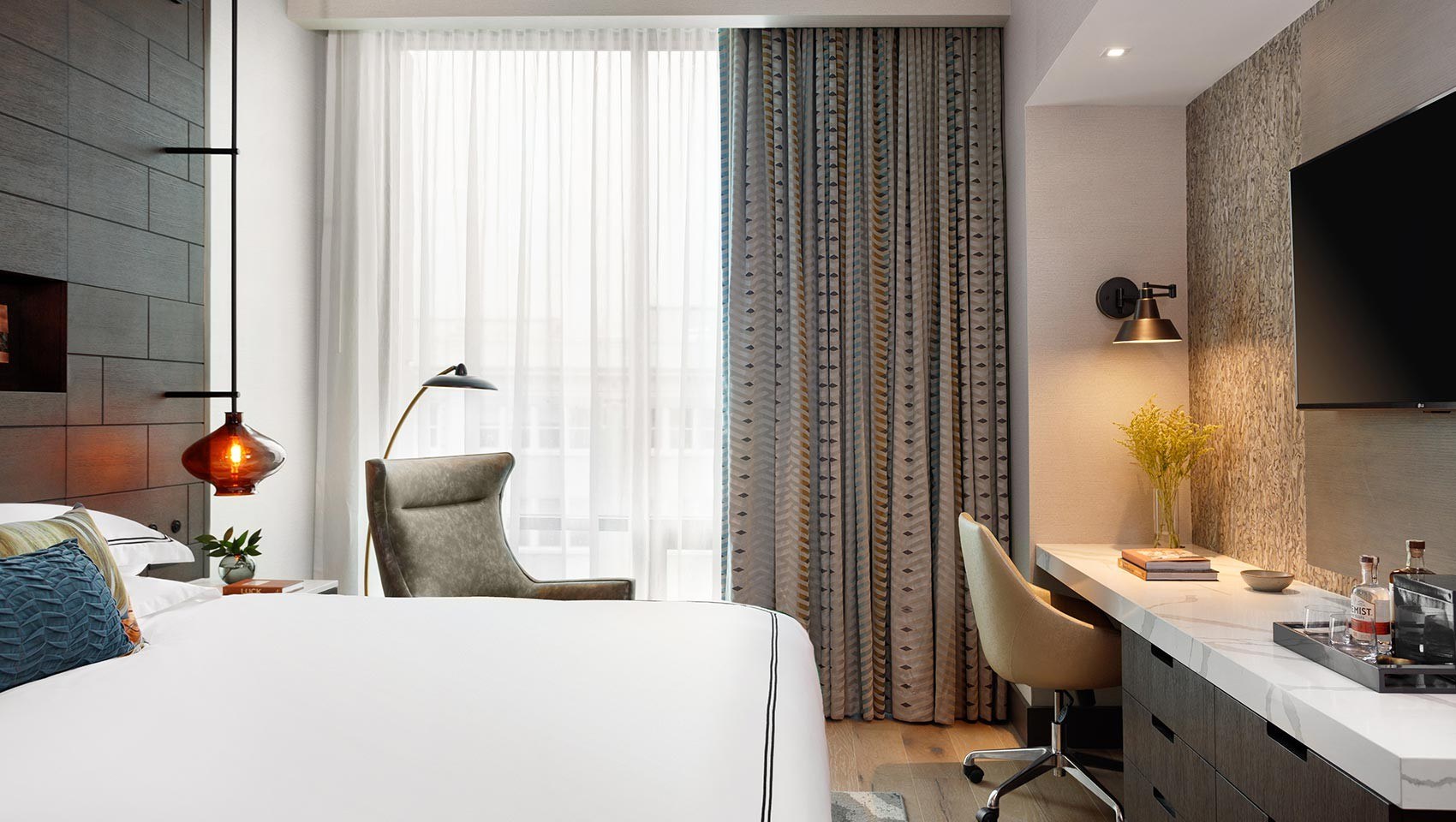
128 rooms and suites across upper floors, with sizable layouts by downtown-hotel standards and views over the city and (on the right side) the surrounding ridges. Beds are firm, bathrooms are properly renovated, and the casegoods read contemporary rather than themed. Suite tiers add living rooms and, in some cases, kitchenettes.
Food & drink
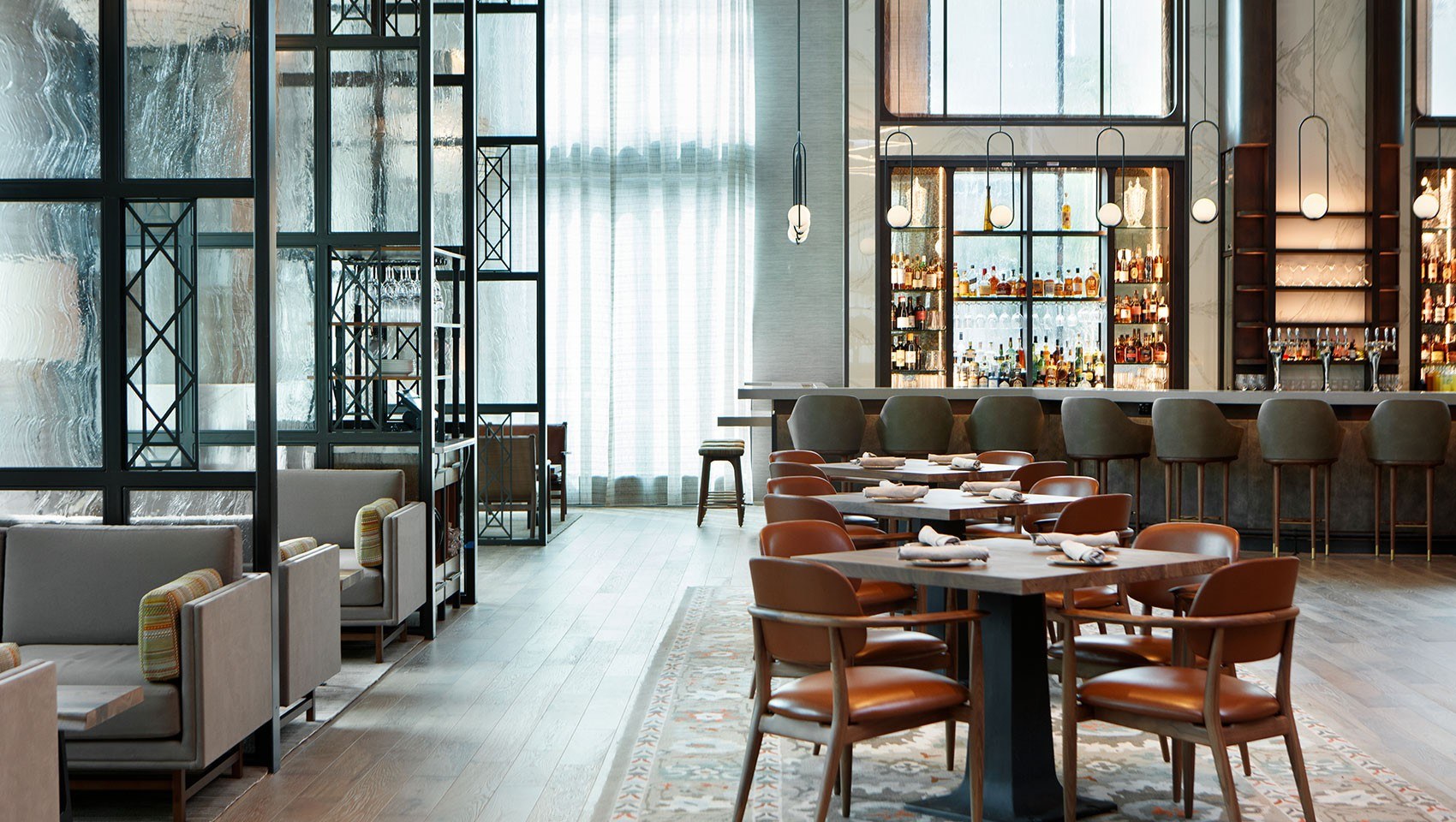
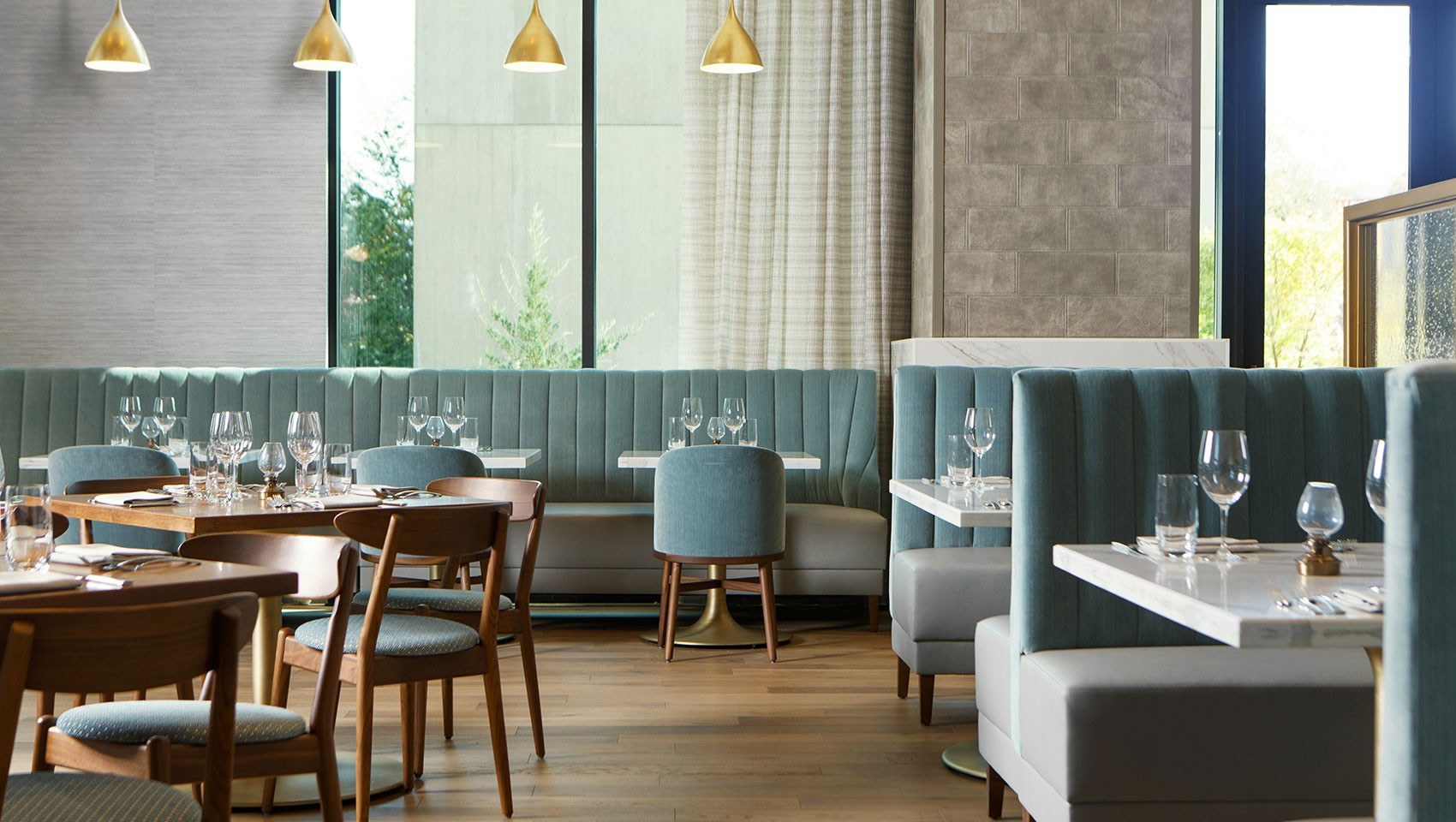
Bargello, the ground-floor restaurant, is the food story — a Mediterranean-leaning menu run by a James Beard-recognized chef, open to non-guests and one of downtown's better dinner reservations. There's also a lobby coffee program and a bar setup that pulls in non-guests in the evening. The hotel doesn't claim a Michelin Key, but Bargello is a real restaurant rather than an amenity.
On the property
Downtown urban hotel amenities — sized for a 128-room property in a walking city.
- Bargello restaurant and bar
- Coffee program in the lobby
- Fitness center
- Concierge for Parkway and Biltmore logistics
- Open year-round; fall is peak
Who it's for
- Downtown-leaning travelers who want walking access to Asheville's food scene
- Couples doing a long weekend who don't need cabin-and-fireplace
- Architecture-curious visitors who'd rather sleep in a converted tower than a craftsman B&B
- Business travelers who want a real restaurant downstairs
Who it's not for
- Mountain-cabin seekers — this is a downtown high-rise, by design
- Families with very small kids who'd be better served by a resort with a pool
- Travelers who want to be on the Biltmore or in the Parkway proper
Nearby
Pack Square, the Grove Arcade, and the bulk of downtown's restaurants are within a ten-minute walk — Bargello aside, Cúrate, Buxton Hall, Chai Pani, and Tupelo Honey are obvious starts. The Biltmore Estate is ten minutes south; the Folk Art Center on the Blue Ridge Parkway is fifteen east. The River Arts District is a short drive or longer walk for galleries and breweries.
An architectural-minimalist interior, in a converted industrial building, with a restaurant worth booking on its own.
A quiet spot near the center of things.
Google guests rate it 4.7★ across 914 reviews.
A luxury rate (from about $425/night) for the room, setting and kitchen you get.
50-plus rooms.
Backed by a deep guest-review record and a full Le Hotelist write-up.
How we score hotels →