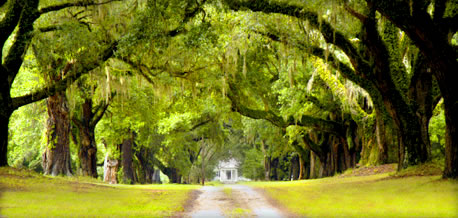
Mansfield Plantation
A 1718 rice plantation on 900 acres — eight rooms in the original main house and kitchen.
A country-estate interior, in a historic inn. No third-party guest rating yet; scored to the curation baseline.
Late May through September for the water; September in particular, when the crowds thin and the ocean's still warm.
Good. A genuinely good independent hotel — the sub-scores tell you if it's your kind.
We earn a small commission if you book through this link, at no cost to you. How this works
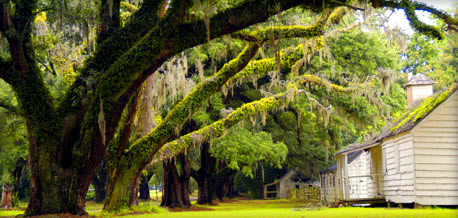
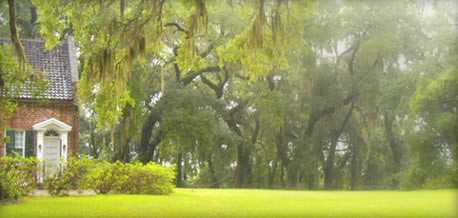
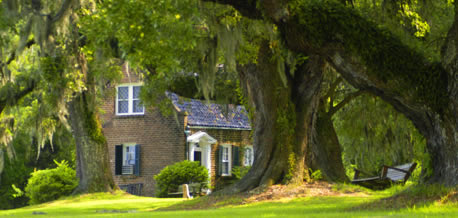
Mansfield Plantation is an eight-room inn on a 1718 rice plantation outside Georgetown, South Carolina — 900 acres on the Black River, the original main house, the original kitchen building, and a set of preserved nineteenth-century outbuildings (including the slave quarters and the chapel) maintained as part of the property's full historical record. The inn occupies the main house and the kitchen building. The land does most of the rest of the work.
It's a working historic site as much as a hotel — National Register-listed, with the Lowcountry rice-economy history at the center of any honest visit. If you arrive expecting a romanticized antebellum holiday, you'll find a quieter and more truthful version of the region's past on display, and a pair of buildings well-suited to staying in.
The setting
Georgetown sits on Winyah Bay, on the South Carolina coast roughly an hour north of Charleston and forty-five minutes south of Myrtle Beach. The town is the third-oldest in the state, with a small downtown on the harbor and a working shrimp fleet. Mansfield is six miles north of town, off Highway 701, on a long live-oak allée that drops down to the Black River.
The wider Lowcountry spreads from here: Pawleys Island and Litchfield are fifteen minutes north; Hobcaw Barony is across the bay; Hampton Plantation State Historic Site is fifteen south; Charleston is an hour south down Highway 17.
The building
The main house dates to 1718 with significant nineteenth-century additions — a wood-framed Lowcountry plantation house with a hipped roof, a deep porch, and the kind of axial central-hall plan typical of the period. The original kitchen building is freestanding (as kitchens were, in the Lowcountry, to keep heat and fire risk away from the main house) and has been adapted as guest space.
Materials are heart pine, painted plaster, and the original brick where it survived. Public rooms include the formal parlor, the dining room, and the deep porches.
The rooms
Eight guest rooms divided between the main house and the kitchen building. Layouts vary considerably — some are large four-poster suites in the main house, some smaller and more cottage-scaled in the kitchen building. Beds are good, bathrooms are private and renovated, decor is restrained Lowcountry country rather than over-themed.
Food & drink
Breakfast is included and served in the dining room or on the porch in season. There's no full dinner program at the inn; Georgetown's downtown restaurants — Root, the Independent Seafood building, and a small handful of others — are a fifteen-minute drive south.
On the property
Nine hundred acres do a lot of the amenity work.
- Breakfast included
- Walking trails through the property
- Black River access for paddling and fishing
- Outdoor pool
- Preserved nineteenth-century outbuildings (chapel, slave quarters, schoolhouse) as historic site
- Open year-round
Who it's for
- Historians and architecture-minded travelers willing to engage with Lowcountry rice-plantation history honestly
- Couples doing a Charleston-Pawleys-Georgetown circuit who want a quieter base
- Birdwatchers and paddlers — the Black River is the draw
- Repeat Lowcountry visitors who've already done the in-town inns
Who it's not for
- Travelers looking for a sanitized antebellum fantasy
- Families with very small kids in a working historic property
- Anyone who needs a full-service restaurant and bar on premises
Nearby
Georgetown's downtown harborfront is fifteen minutes south. Hampton Plantation State Historic Site is fifteen minutes further. Pawleys Island and Litchfield Beach are fifteen north. Hobcaw Barony, the 16,000-acre research reserve across the bay, is a worthwhile half-day. Charleston is an hour south on Highway 17.
A country-estate interior, in a historic inn.
A quiet spot near the center of things.
No third-party guest rating yet; scored to the curation baseline.
In line with the mid-luxury field (from about $265/night) for the room, setting and design you get.
Under 10 rooms.
Based on the data we have so far; expect small revisions as guest reviews and our editorial deepen.
How we score hotels →